Yes, foundation problems can affect your home’s value. The foundation supports the entire structure, so buyers, inspectors, and real estate professionals often pay close attention to signs of foundation movement, settlement, cracking, or water-related damage.
A foundation issue does not automatically mean your home cannot be sold or that its value will drop dramatically. The impact depends on the type of foundation problem, severity of the damage, repair history, location, and whether the issue has been professionally evaluated and addressed.
If you notice cracks, uneven floors, sticking doors, or other possible signs of foundation movement, getting the problem evaluated early can help you understand what needs to be done before it becomes a bigger concern.
Why Foundation Condition Matters to Home Value
A home’s foundation is one of its most important structural components. Problems with the foundation can sometimes affect other parts of the property, including walls, floors, doors, windows, framing, and drainage.
When potential buyers discover foundation problems, they may become concerned about:
- The cost of repairs
- The severity of the structural issue
- Whether the problem could get worse
- The possibility of future repairs
- Water intrusion or drainage problems
- The property’s overall structural condition
Because of these concerns, a home with unresolved foundation problems may be harder to sell or may receive lower offers than a comparable home with a documented, properly maintained foundation.
What Foundation Problems Can Reduce a Home’s Value?
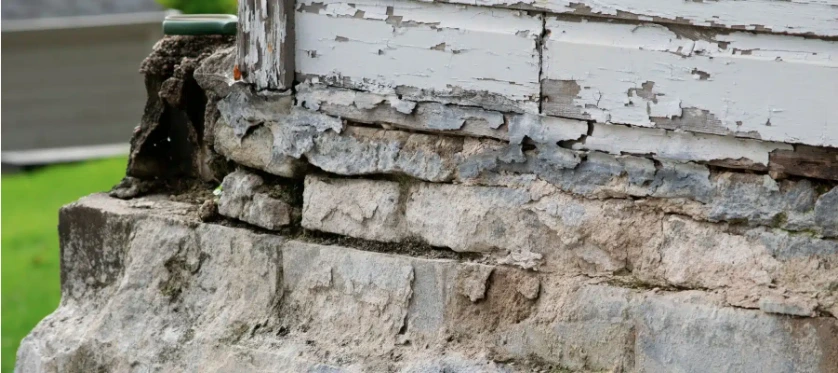
Not every foundation crack or structural concern has the same impact. Minor cosmetic cracks may have little effect, while significant movement or unresolved structural damage can create much greater concerns.
Common foundation problems include:
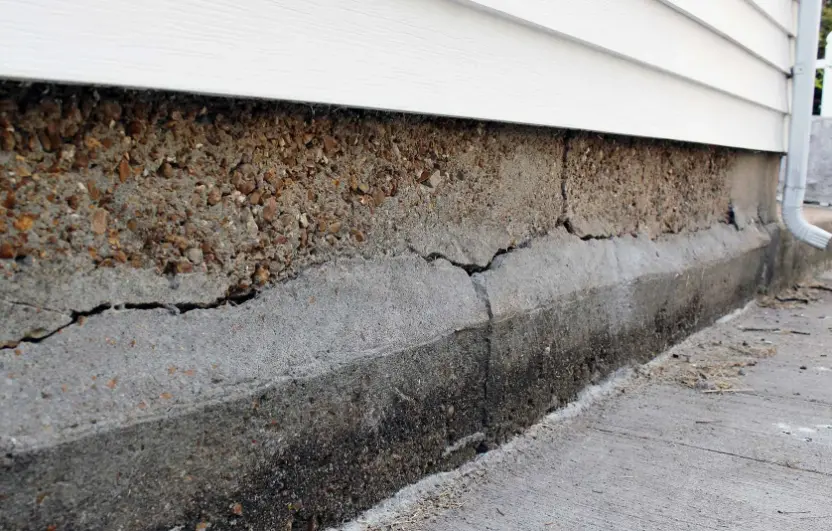
Foundation Cracks
Small cracks can occur for several reasons, but larger, widening, or recurring cracks may require professional evaluation.
Buyers may be concerned when cracks appear alongside other signs of movement, such as uneven floors, sticking doors, or gaps around windows and doors.
Foundation Settlement
Foundation settlement occurs when part of a home moves downward because of changes in the soil or other conditions.
Significant settlement can affect the level of floors and may contribute to cracks in walls, ceilings, and other structural components.
Uneven or Sloping Floors
Floors that feel noticeably uneven may sometimes be associated with foundation movement or structural problems.
However, uneven floors can have several causes, so an inspection is important before assuming the foundation is responsible.
Sticking Doors and Windows
Doors or windows that suddenly become difficult to open or close can sometimes indicate changes in the structure.
This is not always a foundation problem, but when multiple doors and windows become difficult to operate at the same time, it is worth having the property evaluated.
Water and Drainage Problems
Water around the foundation can contribute to soil movement and other problems. Poor drainage may also increase moisture-related concerns around the property.
Proper drainage is therefore an important part of protecting the foundation and the overall condition of a home.
Do Foundation Problems Always Lower Home Value?
Not necessarily.
A foundation issue does not automatically make a property undesirable. The effect on value depends on the specific circumstances.
For example, a home with an older foundation that has been professionally repaired and documented may be viewed differently from a home with active, unexplained structural movement.
The following factors can influence how a foundation issue affects a home’s marketability:
Severity: A minor issue may have a very different impact than significant structural movement.
Repair status: A properly completed repair can give buyers more information and confidence.
Documentation: Inspection reports, repair records, warranties, and invoices can help demonstrate what work was performed.
Age and condition of the property: Foundation concerns are considered alongside the overall condition of the home.
Local market: Buyer expectations and market conditions can influence how foundation issues affect negotiations.
How Foundation Problems Can Affect a Home Sale
Foundation concerns can become particularly important when you’re preparing to sell your home.
A buyer may discover foundation issues during their inspection. Depending on the findings, the buyer could request repairs, negotiate the purchase price, ask for a credit, or reconsider the purchase.
This is why homeowners who already suspect a foundation problem may benefit from addressing it before putting their property on the market.
A professional evaluation can provide a clearer understanding of the issue and help you make informed decisions.
Should You Repair Foundation Problems Before Selling?
There is no universal answer.
In some situations, repairing the foundation before listing the home may make sense. In others, a seller may decide to disclose the issue and sell the property as-is.
The right approach depends on the condition of the foundation, estimated repair costs, the local housing market, and your selling goals.
Before making a decision, consider:
- Getting a professional foundation evaluation
- Understanding the recommended repairs
- Obtaining written documentation
- Keeping records of completed work
- Discussing the situation with your real estate professional
Having reliable information can make the selling process easier because you can provide potential buyers with a clearer picture of the property’s condition.
Can Foundation Repair Increase Home Value?
Foundation repair can help protect or restore the condition and marketability of a property, but it is important not to assume that every repair will increase the home’s value by the exact cost of the repair.
The main benefit is addressing a structural concern that could otherwise discourage buyers or create uncertainty during negotiations.
For example, if a home has an unresolved foundation problem, buyers may factor potential repair costs and risk into their offers. Completing appropriate repairs and maintaining documentation may reduce some of that uncertainty.
The actual effect on value will vary by property and local market conditions.
What Should You Do Before Buying a Home With Foundation Problems?
If you’re considering purchasing a property with potential foundation problems, don’t rely solely on a general visual inspection.
Ask questions about:
- The age of the foundation
- Previous foundation repairs
- Existing inspection reports
- Drainage around the property
- Previous water intrusion
- Any structural repairs
- Available repair documentation
A professional site evaluation can provide additional information about the foundation system and related structural concerns.
All Star Foundation Repair provides site evaluations for real estate professionals and potential buyers, including assessments of foundation systems, retaining walls, and drainage. The company states that evaluations can be followed by a written letter and, when applicable, estimated repair costs.
Common Signs That May Indicate Foundation Problems
Homeowners should pay attention to changes around the property.
Possible warning signs include:
- Cracks in foundation walls
- Cracks around doors or windows
- Uneven or sloping floors
- Doors that suddenly stick
- Windows that become difficult to open
- Gaps between walls and ceilings
- Gaps around doors or windows
- Separation between exterior materials
- Water pooling near the foundation
- Recurring cracks after previous repairs
One sign alone does not necessarily confirm a foundation problem. Several signs occurring together may justify a professional evaluation.
How Texas Soil and Weather Can Affect Foundations
Foundation performance can be affected by soil conditions and changes in moisture.
Periods of heavy rain can increase soil moisture, while dry conditions can reduce it. These changes may contribute to soil movement around a home’s foundation.
Because soil conditions vary from property to property, homeowners should not assume that every crack has the same cause.
A professional evaluation can help determine whether observed movement is related to the foundation, drainage, soil conditions, or another part of the structure.
Why Early Foundation Evaluation Matters
Ignoring a potential foundation problem does not necessarily mean the problem will become worse, but delaying an evaluation can leave homeowners uncertain about the condition of their property.
Early evaluation can help you:
- Understand the cause of visible problems
- Identify areas that need attention
- Plan potential repairs
- Document the property’s condition
- Protect the home’s structural condition
- Make better decisions when buying or selling
The earlier you understand the problem, the more information you have when deciding what to do next.
How to Protect Your Home’s Foundation
Foundation maintenance starts with keeping water and drainage issues under control and watching for changes in the structure.
Homeowners can:
Keep Gutters and Downspouts Clear
Gutters should direct rainwater away from the home’s foundation rather than allowing it to collect near the structure.
Monitor Drainage
Look for areas where water regularly pools near the foundation after rain.
Watch for New Cracks
Keep an eye on cracks and document noticeable changes over time.
Address Plumbing or Water Issues
Leaks and persistent moisture can contribute to problems around a foundation.
Schedule an Evaluation When You Notice Multiple Warning Signs
If you notice several potential signs of foundation movement, professional evaluation can help determine whether repairs are necessary.
Does Foundation Repair Make a Home Easier to Sell?
In many cases, resolving a known foundation problem can make the property easier to explain to prospective buyers.
A completed repair accompanied by appropriate documentation can provide buyers with information about what was found and what was done.
However, foundation repair should be approached based on the actual condition of the property rather than simply as a way to increase a home’s selling price.
A professional evaluation can help determine what work, if any, is appropriate.
Get a Professional Foundation Evaluation
Foundation problems can affect a home’s value, but the impact depends on the type and severity of the issue and whether it has been properly evaluated and addressed.
If you’re concerned about foundation cracks, settlement, drainage, uneven floors, or other structural changes, don’t rely on guesswork. A professional evaluation can help you understand the condition of your foundation and determine what steps may be appropriate.
All Star Foundation Repair provides residential foundation services for slab and pier & beam foundations, along with structural repairs, drainage, retaining walls, and site evaluations for homeowners, real estate professionals, and potential buyers.
Whether you’re maintaining your current home, preparing to sell, or considering buying a property, understanding the condition of the foundation can help you make a more informed decision.
Frequently Asked Questions
Can foundation problems lower the value of a house?
Yes, unresolved foundation problems can affect a home’s marketability and may influence buyer offers. The impact depends on the severity of the problem, repair requirements, documentation, and local market conditions.
Should I repair my foundation before selling my house?
It depends on the condition of the foundation and your selling goals. A professional evaluation can help you understand the issue and potential repair options before deciding whether to repair, disclose, or sell the property as-is.
Do buyers care about foundation problems?
Yes. Foundation concerns can make buyers question repair costs, structural stability, and future maintenance. Clear inspection and repair documentation can help provide more information.
Can a repaired foundation increase home value?
A proper foundation repair can address a structural concern and potentially improve a home’s marketability. However, the increase in value is not necessarily equal to the cost of the repair.
Should I get a foundation inspection before buying a house?
If you notice potential foundation concerns or the property has a history of foundation repairs, a professional evaluation can provide useful information before you complete the purchase.
What are the biggest signs of foundation problems?
Common signs include significant or recurring cracks, uneven floors, sticking doors or windows, gaps around openings, and other noticeable structural changes. These signs can have multiple causes, so professional evaluation is recommended before determining that the foundation is the source.