Foundation problems can become expensive if they are allowed to develop for years without attention. While not every foundation issue can be prevented, homeowners can take several practical steps to reduce the risk of excessive movement, moisture damage, cracking, and drainage-related problems.
One of the most important things to understand is that water and soil conditions around your home can have a major effect on the foundation. Poor grading, leaking gutters, clogged downspouts, plumbing leaks, and changes in soil moisture can all contribute to conditions that may affect the foundation.
Regular maintenance does not replace a professional foundation inspection when structural concerns are present, but it can help homeowners identify problems earlier and keep water away from the foundation.
Why Foundation Problems Happen
A home’s foundation supports the structure above it, but it also interacts with the soil surrounding it. Changes in moisture, drainage, soil movement, construction conditions, and structural loads can affect how a foundation performs.
Common warning signs include:
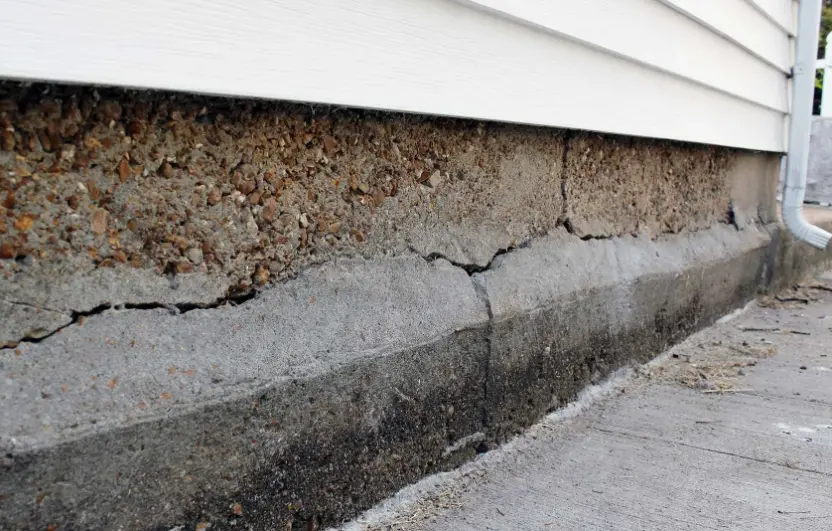
- Cracks in foundation walls or floors
- Cracks around doors and windows
- Doors or windows that suddenly stick
- Sloping or uneven floors
- Gaps around windows or doors
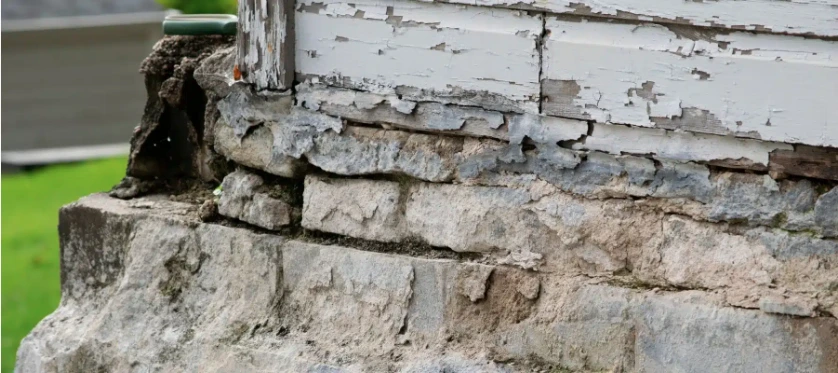
- Cracks in brick or exterior masonry
- Water collecting near the foundation
- Bowing or leaning walls
- Changes in crawl-space conditions
The exact cause of a foundation problem cannot always be determined from one symptom. A small crack may have a different cause from significant settlement or movement.
That is why prevention starts with understanding what is happening around the entire property.
1. Keep Water Away From the Foundation
Controlling water around your home is one of the most important foundation maintenance steps.
Rainwater should not be allowed to collect directly beside the foundation. When water repeatedly accumulates around the house, it can contribute to moisture problems and changes in the surrounding soil.
University of Minnesota Extension recommends evaluating gutters, downspouts, and surface grading as an early step when addressing water around a foundation.
Walk around your home after a heavy rain and look for:
- Standing water
- Muddy areas
- Erosion
- Water flowing toward the house
- Wet areas that remain for long periods
- Downspouts discharging close to the foundation
These observations can help identify drainage problems before they become larger concerns.
2. Keep Gutters and Downspouts Working Properly
Your roof collects a large amount of rainwater. Gutters and downspouts are designed to control where that water goes.
Clean gutters regularly and check that downspouts are:
- Free of leaves and debris
- Properly connected
- Not leaking at joints
- Directing water away from the house
- Discharging in an area where water can safely drain
A clogged gutter can allow water to overflow next to the foundation. A downspout that releases water directly beside the house can create a concentrated wet area.
The University of Minnesota Extension notes that defective gutters and downspouts can contribute to water reaching the foundation and recommends directing roof runoff away from the building.
3. Check the Grading Around Your Home
The ground around your house should generally direct surface water away from the foundation rather than toward it.
Over time, soil can settle. Landscaping projects, construction, erosion, and normal weather can also change the slope around the house.
Look at the ground after rainfall. If water consistently moves toward the foundation, the grading may need attention.
Do not simply add soil against the foundation without understanding the drainage pattern. A grading correction should create a path for water to move away from the structure.
4. Be Careful With Irrigation
Landscaping can add beauty to a property, but irrigation systems can create problems when they constantly saturate soil next to the foundation.
Check sprinkler heads and drip lines around the house. Make sure they are not spraying directly against foundation walls or creating areas of persistent saturation.
Also look for:
- Broken irrigation lines
- Leaking hose bibs
- Overwatering
- Sprinklers pointed toward the house
- Areas where water consistently pools
Excessive irrigation and poor landscape drainage are recognized sources of moisture problems around buildings.
5. Watch for Soil Moisture Changes
Foundation maintenance is not only about keeping water away. Large changes in soil moisture can also matter.
Soil can expand when it becomes wet and shrink as it dries. The way this affects a particular property depends on soil type, site conditions, drainage, foundation design, and other factors.
This is particularly important in areas where weather conditions can change significantly between wet and dry periods.
Instead of trying to keep the soil completely dry, focus on managing drainage and avoiding unnecessary extremes in moisture around the foundation.
6. Check for Plumbing Leaks
A plumbing leak beneath or near a home can introduce water into areas that are not designed to remain wet.
Pay attention to:
- Unexpected increases in water bills
- Damp spots
- Unexplained odors
- Areas of constantly wet soil
- Sounds of running water when fixtures are off
- New cracks or changes around floors
If you suspect a plumbing leak beneath a slab, have the source investigated rather than assuming a foundation crack is the cause.
A foundation problem and a plumbing problem can sometimes produce similar symptoms, so proper diagnosis matters.
7. Inspect Your Foundation Regularly
You do not need to become a foundation expert to monitor your home.
A few times each year, walk around the exterior and look for changes. Inside the home, check areas where you have previously noticed cracks or movement.
Take photographs of cracks that concern you and record approximately when you noticed them. Comparing photos over time can help you determine whether a visible change is occurring.
Pay particular attention to:
- New cracks
- Cracks that appear to be growing
- Uneven floors
- Doors that become difficult to close
- New gaps around windows
- Exterior brick or masonry cracks
- Changes in crawl-space conditions
A single observation does not necessarily mean the foundation is failing. Patterns and changes over time can provide more useful information.
8. Maintain Your Crawl Space
Homes with pier-and-beam or other raised foundations have a crawl space between the house and the ground.
All Star Foundation Repair provides pier-and-beam foundation repair as well as structural services for raised foundations.
Homeowners with crawl spaces should watch for:
- Standing water
- Excessive moisture
- Wood deterioration
- Damaged or shifted supports
- Poor ventilation or moisture control
- Plumbing leaks
- Signs of pests
- Changes in floor levels
Keeping the crawl space dry and addressing water intrusion can help protect the structural components beneath the home.
9. Be Careful When Planting Trees Near the House
Trees can provide shade and improve a property’s appearance, but large vegetation near a foundation should be planned carefully.
Tree roots can interact with soil, while large plants may also affect how water is distributed through the ground.
Before planting a large tree close to the home, consider:
- Mature tree size
- Root growth
- Existing utilities
- Irrigation
- Soil conditions
- Distance from the structure
If you already have mature trees close to the home and are concerned about foundation movement, a professional evaluation can help determine whether there is an actual structural issue.
10. Maintain Retaining Walls and Sloped Areas
Properties with hillsides or retaining walls require additional attention to drainage and soil movement.
All Star Foundation Repair provides residential structural services that include retaining walls, hillside decks, drainage, and hillside foundations.
Inspect retaining walls for:
- New cracks
- Leaning or bulging
- Soil movement
- Drainage problems
- Water collecting behind the wall
- Erosion around the base
A retaining wall problem can involve more than the wall itself. Soil pressure and drainage conditions should be considered when evaluating significant movement.
11. Do Not Ignore Small Changes
Foundation problems do not always begin with dramatic damage.
You might first notice a door sticking, a small crack, or a slight change in the floor. That does not automatically mean you have a serious foundation problem, but unexplained changes are worth monitoring.
Instead of waiting until several symptoms appear, document changes and investigate them when necessary.
Early evaluation can help distinguish normal building movement from conditions that require repair.
12. Avoid DIY Foundation Repairs
Foundation repair is different from many routine home maintenance projects.
Adding random supports, filling cracks without identifying their cause, changing drainage without understanding where the water is going, or attempting to level a structure without proper evaluation can create additional problems.
If you see significant movement or multiple warning signs, have the property evaluated by a qualified foundation professional.
The goal should be to identify why the foundation is moving before deciding how to repair it.
Foundation Maintenance Checklist
Use this simple checklist to monitor your property:
Monthly
- Check gutters for visible debris
- Look at downspouts
- Check for standing water
- Look for new exterior cracks
- Check irrigation for leaks
After Heavy Rain
- Walk around the house
- Look for water collecting near the foundation
- Check whether downspouts are discharging properly
- Look for soil erosion
- Check crawl-space areas if accessible
Every Few Months
- Inspect foundation walls
- Check doors and windows for new sticking
- Look at floors for noticeable changes
- Inspect retaining walls and sloped areas
- Check plumbing fixtures and exposed pipes for leaks
Annually
- Review photographs of previously noticed cracks
- Inspect drainage around the property
- Check major landscaping changes
- Consider a professional evaluation if you notice continuing movement
What Are the Most Common Signs of Foundation Problems?
Knowing the warning signs can help homeowners decide when maintenance has moved beyond a simple DIY inspection.
Common signs include:
Cracks That Change Over Time
A crack that appears to be growing or changing deserves attention, particularly when combined with other symptoms.
Uneven Floors
Noticeable changes in floor level can have several possible causes. A professional evaluation can help determine whether the foundation is involved.
Sticking Doors and Windows
A door or window that suddenly becomes difficult to open or close can sometimes indicate movement elsewhere in the structure.
Exterior Masonry Cracks
Cracks in brick, masonry, or other exterior materials may be related to movement, although there can be several possible causes.
Water Problems
Persistent water near the foundation can indicate drainage issues that should be corrected.
Can Foundation Problems Be Completely Prevented?
No.
Even well-maintained homes can develop foundation problems because many factors are outside a homeowner’s control. Soil conditions, construction, weather, plumbing problems, age, and structural changes can all play a role.
The goal of foundation maintenance is to reduce avoidable risks and identify changes early.
Keeping water under control, maintaining drainage, monitoring the structure, and addressing plumbing or landscaping problems can all be part of a sensible home maintenance routine.
When Should You Call a Foundation Repair Professional?
Consider getting a professional evaluation if you notice:
- Significant or rapidly changing cracks
- Multiple new cracks throughout the home
- Noticeably uneven floors
- Doors and windows that suddenly stick in several areas
- Foundation walls that appear to bow or move
- Persistent water around the foundation
- Major soil movement
- Retaining walls that are leaning or failing
- Crawl-space supports that appear damaged or displaced
All Star Foundation Repair provides site evaluations for homeowners and works with different foundation types, including slab, raised, and hillside foundations. The company also handles drainage, retaining walls, and structural framing repairs.
Foundation Prevention for Dallas-Fort Worth Homeowners
For homeowners in the Dallas-Fort Worth area, regular attention to drainage and foundation conditions is particularly useful. All Star Foundation Repair is based in Carrollton and provides residential and commercial foundation services throughout the Dallas-Fort Worth Metroplex.
Instead of waiting until a foundation issue becomes obvious, homeowners can make foundation checks part of their regular property maintenance.
Frequently Asked Questions
What is the best way to prevent foundation problems?
Managing water around the home is one of the most important preventive measures. Maintain gutters and downspouts, keep surface drainage moving away from the house, control irrigation, and address plumbing leaks promptly.
Can poor drainage cause foundation problems?
Poor drainage can contribute to moisture-related problems around a foundation. Water should be directed away from the house rather than allowed to collect next to the foundation.
How often should I inspect my foundation?
A basic visual inspection every few months and after significant weather events is a reasonable maintenance habit. If you notice changes, document them and consider a professional evaluation.
Can trees cause foundation problems?
Trees and their roots can affect soil and moisture conditions, but the relationship depends on the tree, soil, foundation, drainage, and site conditions. Large trees should be planned carefully around structures.
Should I worry about every foundation crack?
No. Not every crack means a serious structural problem. The size, location, pattern, changes over time, and other symptoms should be considered before determining what a crack means.
How do I know if my foundation needs professional inspection?
If you see multiple warning signs, noticeable movement, persistent drainage problems, or changes that continue over time, a professional evaluation can help determine whether there is an actual foundation problem.
Protect Your Home by Staying Ahead of Foundation Problems
Foundation maintenance starts with the basics: control water, maintain drainage, monitor the structure, inspect crawl spaces, manage landscaping, and address leaks quickly.
These steps cannot guarantee that a foundation will never develop problems, but they can help homeowners identify conditions that may contribute to damage before they become more difficult to address.
If you are seeing cracks, uneven floors, drainage issues, retaining-wall movement, or other structural concerns, All Star Foundation Repair can evaluate the property and determine whether foundation or structural repair may be needed.
All Star Foundation Repair provides residential foundation services including slab foundation repair, pier-and-beam repair, hillside foundation work, drainage, retaining walls, hillside decks, and structural framing repairs.
Call (214) 718-1831 or contact All Star Foundation Repair to schedule an evaluation.