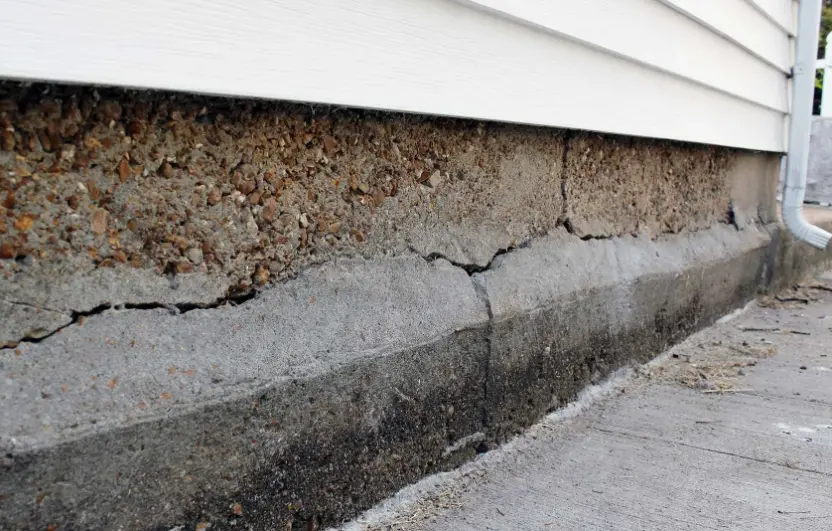
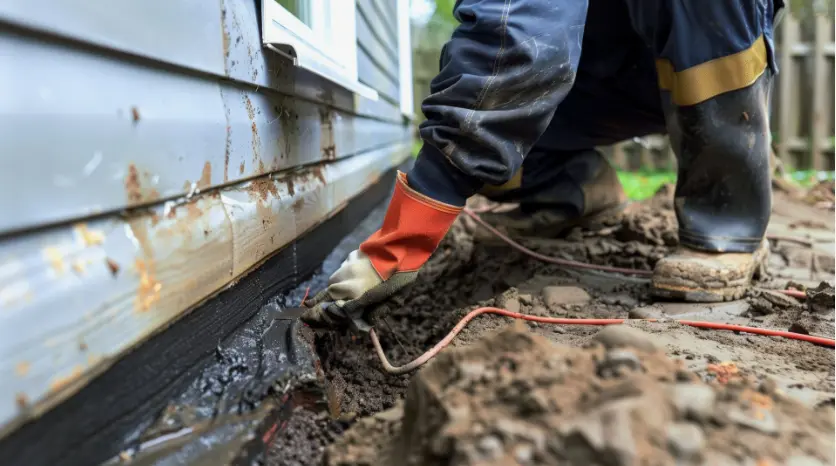
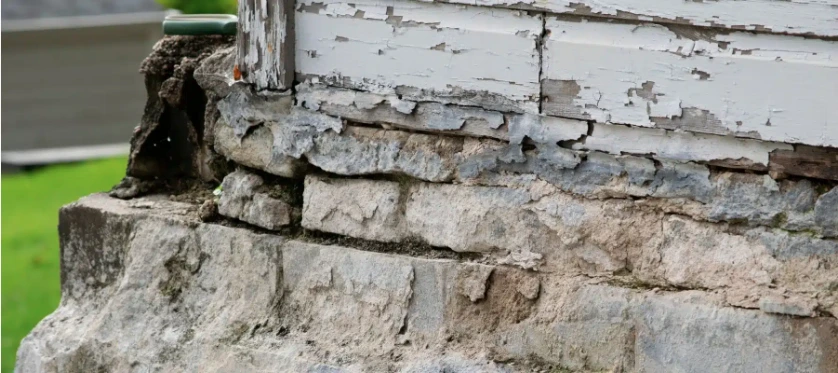
Texas homeowners face unique foundation challenges because of expansive clay soil, hot summers, drought conditions, and periods of heavy rainfall. These weather changes can cause the soil beneath a house to expand when wet and shrink when dry. Over time, repeated soil movement may contribute to foundation settlement, cracks, uneven floors, and other structural problems.
Regular foundation maintenance helps homeowners identify early warning signs, manage soil moisture, control water around the house, and reduce the risk of avoidable damage. Whether you own a home in Dallas, Garland, Rowlett, Grand Prairie, Arlington, Coppell, Lewisville, Plano, or Frisco, understanding how to care for your foundation is an important part of home maintenance.
In this guide, we explain practical foundation maintenance tips for Texas homeowners, including soil watering, drainage improvements, landscaping, plumbing inspections, seasonal care, and signs that may require professional attention.
Why Is Foundation Maintenance Important in Texas?
Many homes in North Texas are built on expansive clay soil. This soil can change in volume as its moisture content changes. During hot, dry weather, the soil loses moisture and shrinks. During periods of heavy rain, it absorbs water and expands.
These changes can create uneven pressure beneath a home’s foundation. If different areas of the soil move at different rates, the foundation may experience uneven settlement or lifting.
Common signs of foundation movement include:
- Cracks in drywall, brickwork, or concrete floors
- Doors and windows that stick or become difficult to close
- Uneven or sloping floors
- Gaps between walls, ceilings, and floors
- Separation around window and door frames
- Water pooling near the foundation
- Cracks that continue to widen over time
Not every crack indicates a serious structural problem. However, new, growing, or recurring cracks should be monitored, particularly when several warning signs appear together.
Routine maintenance cannot prevent every foundation problem, but it can help reduce avoidable moisture-related stress and identify developing issues before they become more difficult to address.
1. Maintain Consistent Soil Moisture Around Your Foundation
Managing soil moisture is one of the most important foundation maintenance practices in Texas.
When expansive clay soil becomes too dry, it can shrink and pull away from the foundation. When it becomes excessively wet, it can swell and place additional pressure on the structure. The goal is to avoid extreme and sudden changes in soil moisture.
Should You Water Your Foundation in Texas?
Watering the soil around a foundation may help during prolonged dry periods, particularly when the surrounding clay soil is shrinking. However, watering should be controlled and consistent rather than excessive.
Follow these practical guidelines:
- Use a soaker hose or drip irrigation system to apply water slowly.
- Position the watering line approximately 12 to 18 inches from the foundation, unless a qualified local professional recommends a different distance.
- Water the soil evenly around the perimeter rather than concentrating water in one location.
- Adjust watering based on rainfall, soil conditions, temperature, and local watering restrictions.
- Avoid creating puddles or allowing water to collect against the house.
- Reduce or stop supplemental watering when the soil is already wet.
During extended summer droughts, homeowners may need to check soil conditions more frequently. There is no single watering schedule that works for every property. Soil type, shade, drainage, foundation design, and weather all affect moisture needs.
Important: Do not assume that watering every day is necessary when temperatures exceed 100°F. Excessive watering can cause its own problems, especially in areas with poor drainage. Follow local foundation maintenance recommendations and avoid watering if it causes standing water near the house.
2. Improve Yard Drainage and Maintain Proper Grading
Poor drainage is another common concern for homeowners in North Texas. When rainwater collects around a foundation, it can saturate the soil, contribute to uneven expansion, and increase the risk of moisture entering the home.
Good drainage helps move excess water away from the structure while reducing sudden changes in soil moisture.
How to Check the Slope Around Your House
Walk around your property after rainfall and look for areas where water collects near the foundation. Check for sunken soil, erosion, depressions, or landscaping that directs water toward the house.
The ground should generally slope away from the foundation. A commonly used grading target is approximately 6 inches of fall over the first 10 feet where site conditions allow, although local codes, lot boundaries, and drainage requirements may affect the appropriate slope.
Avoid adding soil or mulch so high that it covers brick weep holes, siding clearances, or other drainage openings.
Drainage Improvements to Consider
Depending on the property, possible improvements include:
- Regrading areas that direct rainwater toward the house
- Clearing existing surface drains
- Installing a French drain where appropriate
- Using a drainage swale to guide surface runoff
- Correcting low spots that collect standing water
- Repairing damaged or disconnected drainage pipes
The best solution depends on where the water originates and where it can safely discharge. Drainage systems should not redirect water onto a neighboring property or create new problems elsewhere in the yard.
If water repeatedly pools near your home, explore professional foundation drainage solutions to determine which improvements may be suitable for your property.
3. Keep Gutters and Downspouts in Good Condition
Your roof collects a large amount of water during a storm. If gutters overflow or downspouts discharge directly beside the foundation, that water can saturate a small area of soil and contribute to localized movement.
Regular gutter maintenance is a simple way to manage roof runoff.
Follow These Gutter Maintenance Tips
Clean gutters regularly. Remove leaves, dirt, and other debris, especially during spring and fall or after heavy storms.
Check for leaks. Inspect gutter joints, corners, and connections for water escaping near the house.
Extend downspouts. Where practical, direct roof runoff approximately 5 to 10 feet away from the foundation using extensions or suitable drainage pipes. The appropriate distance depends on the property and drainage layout.
Use splash blocks correctly. Splash blocks can help spread water away from the house, but they should not allow water to flow back toward the foundation.
Inspect during rainfall. Observe where water flows from the roof and whether it creates erosion or puddles.
Gutter extensions should discharge water into a safe drainage area rather than onto walkways, neighboring lots, or locations where water may return toward the house.
4. Manage Trees, Shrubs, and Other Landscaping
Landscaping affects the amount of moisture available in the soil around your home. Large trees can draw substantial amounts of water from the ground, while dense vegetation can make foundation inspections more difficult.
Tree roots may also enter existing cracks or seek out moisture around damaged plumbing. However, roots do not automatically damage a sound foundation, and the main concern is often soil moisture changes or an existing structural weakness.
Landscaping Practices That Help Protect Foundations
- Plant new trees at a suitable distance based on their mature size, species, and root characteristics.
- Avoid placing large, water-demanding trees immediately beside the house.
- Monitor established trees that grow close to the foundation.
- Keep shrubs trimmed so you can inspect the exterior walls.
- Maintain appropriate soil moisture in landscaped areas.
- Use mulch to help reduce rapid soil moisture loss, but keep it away from siding and foundation openings.
In some situations, a professionally installed root barrier may help manage root growth. Barriers are not suitable for every property and should be designed with tree health, underground utilities, and foundation conditions in mind.
Avoid removing large established trees without considering the possible effects on soil moisture. Removing a mature tree can change the amount of water the surrounding soil absorbs and may contribute to ground movement. Consult a qualified arborist or foundation professional before making major changes near a home with existing foundation concerns.
5. Inspect Plumbing and Sprinkler Systems for Leaks
A hidden water leak can affect the soil beneath or around a foundation. Leaking supply pipes, damaged drain lines, and malfunctioning irrigation systems may introduce excess water into one area while the rest of the soil remains relatively dry.
This uneven moisture distribution can contribute to differential foundation movement.
Signs of a Possible Hidden Leak
Watch for:
- An unexplained increase in your water bill
- A water meter that continues moving when all water fixtures are off
- Damp areas or unexplained puddles in the yard
- Persistent wet spots near the foundation
- Sprinklers that spray directly against exterior walls
- New musty odors or moisture inside the house
- Unexplained changes in water pressure
Check sprinkler heads and irrigation lines periodically. Make sure they do not direct excessive water against the foundation or create standing water near the house.
It is also sensible to arrange plumbing inspections when warning signs appear and to follow the maintenance schedule recommended for your plumbing system. Specialized leak detection or hydrostatic testing may be appropriate when a licensed plumber suspects a drain-line leak, but these tests are not automatically necessary every year for every home.
If you suspect a leak beneath the slab, have the plumbing system evaluated before assuming that foundation repair is required. Identifying the source of the moisture helps determine the appropriate next step.
6. Monitor Cracks in Walls, Floors, and Brickwork
Regular inspections help you identify changes that may indicate foundation movement.
At least once or twice a year, walk through your home and inspect the interior and exterior. Pay particular attention after prolonged drought, unusually heavy rainfall, or noticeable changes in how doors and windows operate.
What Should You Look For?
Inside the house, check:
- Drywall cracks near doors and windows
- Cracks in tile or concrete flooring
- Gaps between walls and ceilings
- Doors that suddenly stick or fail to latch
- Windows that become difficult to open
- Noticeably sloping or uneven floors
Outside, inspect:
- Stair-step cracks in brickwork
- Separation around window and door frames
- Cracks in exposed foundation concrete
- Gaps between exterior materials
- Soil pulling away from parts of the foundation
- Signs of erosion or standing water
Keep a Foundation Inspection Log
If you notice a small crack, take a dated photograph and record its location. You can measure its width with a suitable crack gauge or ruler and compare it with later observations.
A simple log helps you identify whether a crack appears stable or is changing over time. Avoid filling or concealing a potentially significant crack before documenting it.
Hairline cracks can result from ordinary material shrinkage and do not always indicate structural damage. However, widening cracks, repeated cracking, visible displacement, or multiple symptoms occurring together warrant professional evaluation.
7. Protect Your Foundation During Seasonal Weather Changes
Texas weather can shift quickly from hot, dry conditions to heavy rain. Your maintenance routine should respond to actual weather and soil conditions rather than follow the same schedule throughout the year.
Summer: Watch for Soil Shrinkage
Hot weather and prolonged drought can cause clay soil to lose moisture.
During summer:
- Check for gaps between the soil and foundation.
- Maintain appropriate soil moisture when conditions are dry.
- Inspect irrigation systems for leaks or uneven watering.
- Keep gutters and downspouts clear.
- Monitor existing cracks and doors or windows that begin sticking.
Avoid flooding the soil to fill gaps. Sudden, excessive watering may worsen moisture imbalances.
Spring and Fall: Check Drainage and Gutters
Seasonal rain and falling leaves can affect drainage performance.
During these seasons:
- Clean gutters and inspect downspouts.
- Look for erosion around the foundation.
- Clear surface drains and drainage channels.
- Check grading after landscaping work.
- Inspect the exterior for new cracks or separation.
During Heavy Rain: Look for Pooling Water
After a major storm, check whether water drains away from the house. Standing water, soil washout, and repeated gutter overflow may indicate that drainage improvements are needed.
Winter: Watch for Cold-Weather Problems
Severe frost heave is less common in much of North Texas than in colder regions, but winter maintenance still matters. Check for drainage issues, exposed or vulnerable plumbing, and leaks following freezing temperatures.
Do not ignore changes in floors, walls, or doors simply because they appear during colder weather. Record the symptoms and monitor whether they persist.
8. Use Foundation-Friendly Materials Around Your Home
The materials used around your foundation can affect moisture movement and maintenance access.
Grass, mulch, gravel, and paving can all be appropriate in different settings, provided the area is designed and maintained correctly.
What Is the Best Thing to Put Around a House Foundation?
There is no single best material for every house. The most important factors are proper grading, controlled moisture, and keeping water away from the structure.
Consider these options:
Grass: Grass can help limit surface erosion, but the surrounding soil must still slope away from the house.
Mulch: A suitable mulch layer can reduce rapid moisture loss. Keep it below siding and clear of required foundation openings.
Gravel: Gravel may help with certain landscaping or drainage designs, but gravel alone does not solve poor grading or guarantee that water will drain away.
Concrete paving: Patios and walkways should be designed with appropriate slopes and joints. Cracked or settled paving may allow water to collect near the foundation.
Regardless of the material, avoid creating a raised bed that traps water against the house. Keep weep holes, drainage openings, and required clearances unobstructed.
9. Know When to Schedule Professional Foundation Repair
Maintenance helps homeowners identify problems, but it cannot correct every form of foundation movement.
If your home shows repeated or worsening signs of movement, a professional evaluation can help determine the cause and whether repairs are necessary.
An assessment may consider soil conditions, drainage patterns, plumbing leaks, foundation type, and changes in the structure. Repair options depend on the findings rather than on a single visible symptom.
For example:
- Slab foundation repair: May be appropriate when a concrete slab experiences problematic settlement or other structural movement.
- Pier and beam repair: May address problems involving support piers, beams, or an elevated floor system.
- House leveling: May be considered when uneven settlement or elevation changes require correction.
- Foundation drainage: May help address water accumulation contributing to moisture-related problems.
- Foundation waterproofing: May help manage water intrusion when the source and site conditions are properly assessed.
Learn more about slab foundation repair, pier and beam services, house leveling, and foundation waterproofing.
Seek prompt professional advice if cracks are widening rapidly, walls appear displaced, floors develop sudden changes, or multiple structural symptoms occur together. If there is an immediate risk of structural failure, leave the affected area and contact the appropriate emergency professionals.
10. What Time of Year Is Best for Foundation Repair?
Foundation repairs can be carried out at different times of the year. There is no universal season that is best for every repair.
The appropriate timing depends on the type and severity of the problem, soil conditions, weather, site access, and the repair method.
Dry weather may make some exterior work easier, while heavy rain can complicate excavation or drainage work. However, a serious structural issue should not be left untreated simply to wait for a preferred season.
If you notice new or worsening symptoms, arrange an evaluation so the cause can be identified and an appropriate repair plan developed.
11. Does Homeowners Insurance Cover Foundation Problems in Texas?
Homeowners insurance coverage depends on the policy, the cause of the damage, and any applicable exclusions.
Many policies restrict or exclude coverage for gradual foundation settlement, soil expansion and contraction, wear and tear, or maintenance-related problems. Certain sudden and accidental events may be covered, depending on the policy wording and circumstances.
For example, damage associated with a covered plumbing event may be treated differently from gradual movement caused by changing soil moisture.
Before assuming a repair is covered:
- Review your policy and its exclusions.
- Document visible damage with photographs and dates.
- Address any active water leak or immediate safety concern.
- Contact your insurance company to ask about the claim process.
- Obtain a professional assessment and keep relevant inspection reports.
Do not assume that every foundation crack is covered or that all water-related damage is excluded. Your insurer must assess the circumstances under the terms of your specific policy.
Foundation Maintenance Checklist for Texas Homeowners
Use this checklist to keep your maintenance routine organized.
- Inspect interior walls, ceilings, floors, and exterior brickwork.
- Photograph and record any new or changing cracks.
- Check that the ground slopes away from the foundation.
- Clean gutters and verify that downspouts discharge safely away from the house.
- Look for standing water, soil erosion, and drainage problems.
- Check irrigation lines and sprinkler heads for leaks.
- Maintain reasonably consistent soil moisture during prolonged dry weather.
- Monitor trees and large shrubs near the foundation.
- Investigate unexplained water bills or damp areas.
- Arrange professional evaluation when structural symptoms worsen.
Review this checklist seasonally and after unusual weather events. The right maintenance schedule depends on your property, but regular observations make it easier to recognize changes early.
Frequently Asked Questions
Should you water your foundation in Texas?
Watering the soil around a foundation may help during prolonged hot and dry weather, especially when expansive clay soil begins to shrink. Use a soaker hose or drip line to apply water slowly and evenly. Avoid excessive watering, standing water, and watering schedules that ignore rainfall or existing soil moisture.
What is the best thing to put around the foundation of a house?
The best material depends on the property and drainage design. Grass, mulch, gravel, or properly sloped paving can all work in suitable situations. Correct grading, controlled moisture, and unobstructed drainage openings are more important than choosing one material for every home.
What time of year is best for foundation repair?
Foundation repair can be performed throughout the year when conditions are suitable for the required work. Weather, soil conditions, repair methods, and the severity of the problem determine the timing. Do not delay an evaluation of significant or worsening structural symptoms just to wait for a particular season.
Does homeowners insurance cover foundation issues in Texas?
Coverage depends on the policy and the cause of the damage. Gradual settlement and soil movement are often excluded or restricted, while certain sudden events may qualify for coverage. Review your policy and contact your insurer to understand the specific terms that apply.
How often should you inspect your foundation?
A practical approach is to inspect your foundation at least once or twice a year and check it again after prolonged drought, heavy rainfall, or noticeable structural changes. Properties with previous foundation problems may need more frequent monitoring.
Can poor drainage cause foundation damage?
Yes. Excess water can saturate the soil and contribute to uneven expansion, while poor drainage can also cause erosion and water intrusion. Maintaining proper grading, gutters, downspouts, and drainage systems helps manage these risks.
Can tree roots damage a house foundation?
Tree roots can contribute to foundation problems by changing soil moisture or exploiting existing cracks and weak points. Large trees close to a home deserve careful monitoring, but removing them abruptly can also change soil moisture. Consider professional advice before making major landscaping changes.
Protect Your Home With Consistent Foundation Maintenance
Foundation maintenance in Texas starts with three key practices: managing soil moisture, directing rainwater away from the house, and monitoring changes in the structure. Proper landscaping, plumbing inspections, seasonal checks, and timely attention to warning signs can also help homeowners manage foundation risks.
These steps are especially relevant to homes in Dallas, Garland, Rowlett, Grand Prairie, Arlington, Coppell, Lewisville, Plano, and Frisco, where local weather and soil conditions should be considered when planning foundation care.
If you notice recurring cracks, uneven floors, drainage issues, or other signs of foundation movement, professional guidance can help you understand what is happening and determine the next steps.
Contact All Star Foundation Repair to learn about available foundation repair, drainage, waterproofing, and house leveling services. Addressing the cause of a problem is an important step toward protecting your home’s foundation over time.