Water pooling around your house foundation after rain can be more than a landscaping problem. When water repeatedly collects near your home, it can saturate the surrounding soil, increase pressure against foundation walls, contribute to soil movement, and create conditions for leaks and moisture damage.
In North Texas, homeowners face additional challenges because expansive clay soil can swell when wet and shrink during dry weather. These changes can affect foundations in Dallas, Garland, Rowlett, Grand Prairie, Arlington, Coppell, Lewisville, Plano, and Frisco.
The good news is that many drainage problems can be improved by directing roof runoff away from the house, correcting the yard’s slope, and installing suitable drainage systems when necessary.
In this guide, you’ll learn how to identify the cause of water pooling, compare practical drainage solutions, understand when foundation waterproofing may help, and recognize when professional assistance is needed.
Why Is Water Pooling Around Your House Foundation?
Water usually collects around a foundation because it has nowhere else to go. The cause may be as simple as a clogged gutter or as complex as poor grading, compacted soil, or a high groundwater level.
Common causes include:
- Poor yard grading: The ground slopes toward the house instead of directing rainwater away.
- Clogged gutters: Leaves and debris prevent rainwater from flowing through the gutter system.
- Short downspouts: Roof runoff empties directly beside the foundation.
- Low spots in the yard: Depressions collect rainwater instead of allowing it to drain.
- Compacted or clay-heavy soil: Water may drain slowly through dense soil, particularly when the ground is already saturated.
- Blocked drainage pipes: Existing drains cannot carry water away effectively.
- Leaking irrigation or plumbing: Broken sprinkler lines, outdoor faucets, or underground pipes can create persistent wet spots.
- Poorly designed landscaping: Raised flower beds, edging, and patios may trap water near the house.
Identifying the cause is the first step toward choosing the right solution. Adding a drain without correcting the source of the water may only provide temporary relief.
Is Water Pooling Around Your Foundation Bad?
Yes, repeated water pooling can create problems, although a small amount of temporary surface water does not automatically mean your foundation is damaged.
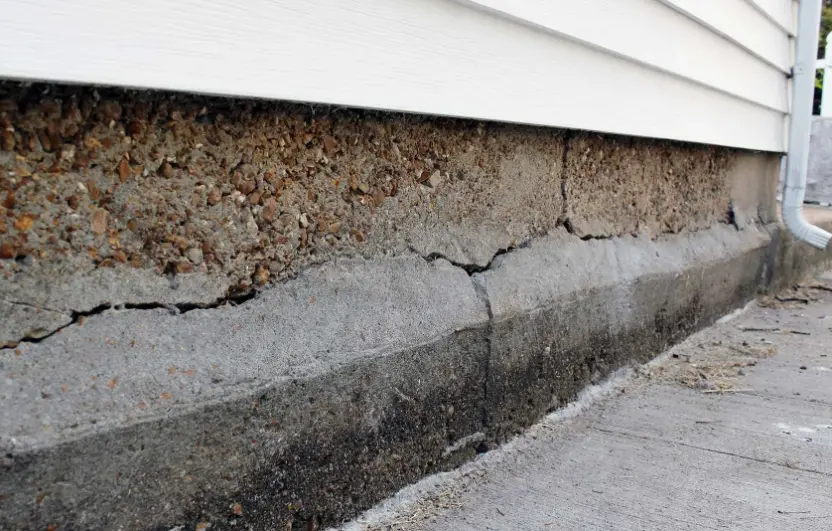
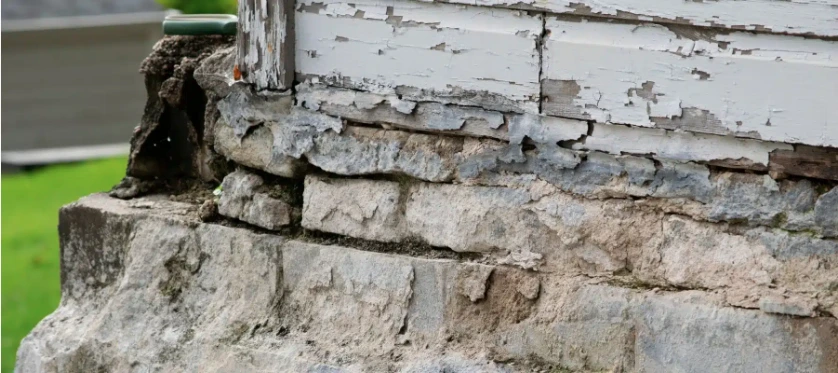
Excess water can saturate the soil next to the house. Depending on the soil type and foundation design, this may contribute to uneven soil movement or place additional pressure against below-grade foundation walls.
Potential problems include:
- Water entering through existing foundation cracks or joints
- Damp crawl spaces and musty indoor odors
- Soil erosion near the foundation
- Damage to landscaping and exterior concrete
- Increased moisture around wooden structural components
- Foundation movement associated with uneven soil moisture
- Mold growth when indoor materials remain damp
Water against a basement wall can also create hydrostatic pressure, which is the pressure exerted by water in saturated soil. This pressure may push moisture through vulnerable areas or contribute to leaks.
Even homes without basements can experience drainage-related foundation concerns. Slab foundations can be affected by changing soil moisture, erosion, and water accumulating along the exterior.
If water repeatedly collects near your house after rain, investigate the drainage problem before it leads to further damage.
1. Clean Gutters and Extend Downspouts Away From the Foundation
One of the easiest ways to reduce water pooling is to control the water coming off your roof.
During rainfall, your roof collects water across a large surface. If gutters overflow or downspouts discharge directly beside the house, that water can saturate the soil around the foundation.
How to Improve Gutter Drainage
Follow these steps:
- Remove leaves, dirt, and other debris from gutters at least twice a year, or more often if trees cause frequent blockages.
- Check gutters for loose sections, leaks, and areas where water overflows.
- Inspect downspouts to ensure water flows freely through them.
- Install downspout extensions, solid drainpipes, or splash blocks to carry water away from the house.
- Observe where the water flows during the next rainfall to make sure it does not return toward the foundation.
A common starting point is to discharge downspout water approximately 6 to 10 feet away from the foundation where the property layout allows. The required distance depends on the grading, soil conditions, and drainage route.
Downspouts should discharge to a safe location where water can continue flowing away from the house. Avoid directing runoff onto neighboring properties, walkways, or another area where it may collect.
Helpful tip: If water pools beneath a downspout even after you extend it, check the slope of the surrounding ground. The extension may be working correctly while the water is still collecting in a low spot.
2. Correct the Slope of the Soil Around Your House
Poor grading is a common reason rainwater flows toward a foundation.
The ground surrounding your home should generally slope away from the structure. When the soil slopes inward, water naturally moves toward the house and may collect along the foundation wall.
How to Check Your Yard’s Grading
After rainfall, walk around your house and look for:
- Standing water beside exterior walls
- Depressions in the soil
- Areas where mulch or flower beds trap water
- Soil that has settled below downspouts
- Ground that slopes toward the house
- Water flowing from a patio or driveway toward the foundation
A commonly used grading target is a drop of about 6 inches over the first 10 feet away from the house, where the site conditions allow. Local requirements and property constraints may affect the appropriate slope.
How to Improve Foundation Grading
If the ground slopes toward your home, adding suitable soil and reshaping the yard may help direct surface runoff away from the foundation.
Use compactable soil appropriate for the site and create a continuous outward slope. In some locations, clay-rich fill may be suitable, but the correct material depends on the existing soil and drainage design.
Keep required clearance between the soil and exterior siding, wood framing, weep holes, and other openings. Do not cover exposed foundation features or raise soil above recommended levels.
Also consider where the water will go after leaving the house. Correcting the slope near the wall will not solve the problem if the water simply collects a few feet farther away.
If the yard repeatedly develops low spots or water continues to flow toward your home, professional foundation drainage solutions may help identify a more effective approach.
3. Install Surface Drains or Catch Basins in Low Areas
Sometimes, improving gutters and grading is not enough. Water may still collect in a low section of the yard, beside a driveway, or near a patio.
A surface drain or catch basin can collect water at these locations and move it through a drainage pipe to an appropriate discharge point.
How Catch Basins Work
A catch basin typically has a grated opening at ground level and a collection chamber below it. Surface water enters through the grate, while the chamber helps collect sediment and debris before water flows into the connected drainage pipe.
A catch basin may be useful when:
- Water repeatedly collects in a low spot.
- A driveway or patio directs runoff toward the house.
- Regrading alone cannot correct the drainage pattern.
- Several sections of the yard need to feed into one drainage line.
The basin should be placed where water naturally collects, with the surrounding surface graded toward its opening.
A solid PVC or suitable polyethylene drainage pipe can carry the collected water to a lower area, approved stormwater connection, or suitable outlet, depending on local requirements and site conditions.
Some systems use a pop-up emitter at the discharge point. The emitter should be located where the released water can drain away safely without flowing back toward the foundation.
Catch basins require periodic cleaning because leaves, soil, and other debris can block the grate or pipe. A poorly positioned or undersized basin may not handle heavy rainfall effectively.
4. Create a Swale or Dry Creek Bed to Guide Runoff
If rainwater flows across your yard toward the house, a swale or dry creek bed may provide a practical way to guide it away.
These options can manage surface runoff while fitting into the overall landscape design.
What Is a Drainage Swale?
A swale is a shallow, broad channel designed to guide water across a property. It may be covered with grass or other suitable vegetation that helps limit erosion.
A properly designed swale can redirect rainwater away from the foundation toward a suitable lower area.
What Is a Dry Creek Bed?
A dry creek bed is a shallow channel often lined with landscape fabric and decorative stones or river rock. It resembles a natural stream but usually carries water only during rainfall or runoff events.
A dry creek bed can help guide surface water while improving the appearance of a yard.
When Should You Consider These Options?
Swales and dry creek beds may be appropriate when:
- Water flows across the yard from higher ground.
- The property has enough space to guide runoff away.
- A natural-looking drainage feature is preferred.
- Surface water needs to be redirected around landscaping.
Neither option should simply move the problem to another part of the property. The route, slope, erosion protection, and discharge location all need to be considered.
5. Install a French Drain for Persistent Drainage Problems
When water continues to saturate the soil despite improvements to gutters and grading, a French drain may be worth considering.
A French drain is an underground drainage system designed to collect and redirect water moving through saturated soil.
How Does a French Drain Work?
A typical system includes:
- A trench positioned to intercept water
- Washed drainage gravel
- A perforated drainage pipe
- Suitable filter fabric to help limit soil entering the gravel
- A properly designed outlet that allows collected water to discharge
Water enters through the gravel and perforations, then travels through the pipe toward the outlet.
French drains are particularly useful when water moves through the soil toward a problem area or repeatedly saturates a particular section of the yard.
However, the trench depth, pipe slope, soil conditions, and outlet location must be appropriate for the property. Installing a drain without a suitable discharge point can leave water trapped underground.
French Drains vs. Surface Drains
Surface drains collect water flowing across the ground. French drains are generally designed to intercept water moving through saturated soil, although properly designed systems can work together.
For example, a catch basin may collect rainwater from a patio while a French drain addresses persistent subsurface moisture in another area.
The best choice depends on whether the main problem is surface runoff, groundwater, or a combination of both.
6. Consider Foundation Waterproofing When Water Enters the House
Drainage and waterproofing serve related but different purposes.
Drainage systems collect and redirect water. Waterproofing helps limit water penetration through vulnerable foundation walls and other below-grade surfaces.
If water continues entering your home through foundation walls, joints, or existing cracks, correcting the exterior drainage may be only part of the solution.
Common Waterproofing Options
Depending on the source of the water and the foundation design, possible measures include:
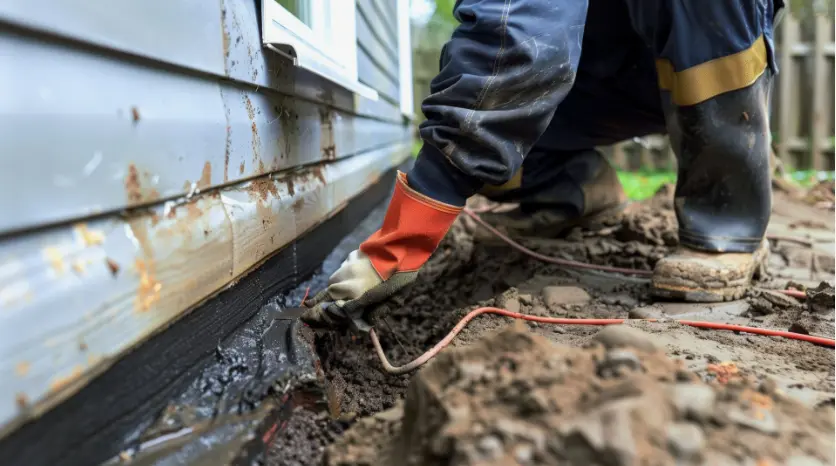
Exterior waterproofing: A suitable waterproof membrane or coating may be applied to below-grade foundation walls during appropriate repair work.
Foundation crack repair: Cracks that allow water to enter may require professional evaluation and a repair method appropriate for the crack and surrounding structure.
Interior drainage systems: In suitable basement or below-grade settings, an interior drainage channel may collect incoming water and direct it to a sump system.
Sump pumps: A sump pump removes collected water from a designated pit and discharges it to an appropriate location. A battery backup may be helpful where power interruptions are a concern.
Not every home needs all these measures. For example, a Texas home with a slab foundation and no basement may need drainage improvements rather than a basement sump system.
Before installing waterproofing, identify where the water is entering and whether the main issue is surface runoff, subsurface water, a plumbing leak, or a structural defect.
Learn more about foundation waterproofing services to explore options for managing water intrusion.
7. Check for Plumbing, Sprinkler, and HVAC Drainage Leaks
Water pooling around a house does not always come from rain.
A broken irrigation line, leaking outdoor faucet, damaged underground pipe, or poorly positioned air-conditioning condensate line can keep the soil wet even during dry weather.
Signs of a Possible Leak
Watch for:
- One section of the yard that stays wet while the rest is dry
- An unexplained increase in your water bill
- Sprinklers that leak when they are turned off
- Damp soil near an outdoor faucet
- Water appearing near the foundation without recent rainfall
- A condensate drain discharging directly beside the house
Inspect visible irrigation lines and sprinkler heads regularly. Repair leaks promptly and redirect condensate discharge where appropriate.
If you suspect an underground plumbing leak, contact a qualified plumber for testing. Avoid digging near underground utilities without checking their locations first.
Correcting the source of the water is essential. Installing additional yard drains will not necessarily resolve a leak that continues to release water into the soil.
8. Maintain Landscaping Without Trapping Water Near the House
Flower beds, mulch, decorative borders, and patios can affect how water moves around a home.
A raised flower bed placed against an exterior wall may trap rainwater. Thick mulch can also conceal drainage problems or cover important foundation openings.
To keep landscaping from contributing to water pooling:
- Maintain a slope that directs water away from the house.
- Avoid building raised beds that hold water against exterior walls.
- Keep mulch below siding and away from weep holes.
- Repair sunken sections of patios and walkways that direct runoff toward the foundation.
- Avoid excessive irrigation near the house.
- Keep drainage channels clear of leaves, soil, and plant debris.
Gravel, grass, mulch, and paving can all be suitable landscaping materials when installed correctly. No single material guarantees good drainage; the slope and water’s final destination are what matter most.
9. Avoid Common Drainage Mistakes
Some attempted fixes can make a water pooling problem worse or provide only temporary relief.
Avoid these mistakes:
Adding soil without checking the slope. Filling a low spot may help, but poorly placed soil can direct water toward another part of the house.
Extending downspouts onto another problem area. Moving roof runoff a few feet away is not enough if it still collects beside the foundation.
Installing a French drain without an outlet. A drainage pipe needs a suitable destination for collected water.
Ignoring recurring water after storms. Repeated pooling may indicate a larger grading or drainage issue that needs attention.
Sealing cracks without addressing the water source. Crack repair may help with a leak, but it will not correct poor grading or excessive surface runoff.
Digging near the foundation without planning. Excavation can disturb soil, damage underground utilities, or affect foundation support if performed incorrectly.
Ignoring local drainage requirements. Runoff must be directed to a suitable location in accordance with applicable local rules.
A lasting solution should address the source of the water, the route it follows, and the location where it can safely drain.
10. When Should You Call a Foundation Drainage Professional?
Some drainage issues can be addressed with routine maintenance, such as cleaning gutters, repairing a disconnected downspout, or clearing a blocked surface drain.
Other situations require a more detailed assessment.
Consider professional help if:
- Water continues pooling after basic drainage improvements.
- Water enters the home through foundation walls or floors.
- Soil repeatedly washes away from the foundation.
- You notice new or widening foundation cracks.
- Floors become uneven or doors and windows begin sticking.
- A crawl space remains damp or develops persistent musty odors.
- You suspect a damaged underground drain or plumbing line.
- You need a French drain, catch basin, or more extensive drainage system.
A professional assessment can help distinguish a drainage problem from a plumbing leak, foundation movement, or waterproofing issue.
For homes in Dallas, Garland, Rowlett, Grand Prairie, Arlington, Coppell, Lewisville, Plano, and Frisco, local soil and weather conditions should be considered when choosing a drainage solution.
All Star Foundation Repair offers foundation drainage services and foundation waterproofing to help homeowners explore appropriate options for their properties.
Frequently Asked Questions
What should you put around a house foundation to keep water out?
The most important factors are proper grading, functioning gutters and downspouts, and a drainage route that directs water away from the house. Depending on the property, suitable landscaping, surface drains, French drains, or waterproofing may also help. Gravel or mulch alone will not solve poor drainage.
How do you make good drainage around a house foundation?
Start by cleaning gutters, extending downspouts, and checking whether the soil slopes away from the house. Correct low spots where practical. If water continues collecting, a surface drain, catch basin, swale, or French drain may be appropriate, depending on whether the problem involves surface runoff or subsurface water.
Is water around a foundation bad?
Repeated water pooling can saturate soil, contribute to foundation movement, increase pressure against below-grade walls, and allow moisture to enter the home. Temporary puddles do not automatically indicate structural damage, but persistent pooling should be investigated and corrected.
How do I stop water from coming through my foundation?
First, identify the source of the water. Correct poor grading, leaking gutters, short downspouts, or plumbing leaks. If water continues entering through foundation walls, cracks, or joints, professional crack repair, drainage improvements, or waterproofing may be necessary. The right solution depends on the foundation type and the cause of the leak.
Will a French drain stop water pooling around my house?
A properly designed French drain can help when water is moving through saturated soil or collecting below ground. It may not solve a problem caused mainly by surface runoff, clogged gutters, or poor yard grading. The drainage system must match the source of the water and have a suitable outlet.
How far should water drain away from a foundation?
Downspouts are commonly extended approximately 6 to 10 feet away from a house where practical, but the correct distance depends on the property. The discharge should reach an area where water can continue flowing away without returning toward the foundation or creating problems elsewhere.
Can water pooling damage a slab foundation in Texas?
Yes, persistent pooling can contribute to uneven soil moisture around a slab foundation. Expansive clay soil may swell when wet and shrink when dry, potentially contributing to differential movement. Proper drainage and consistent moisture management help reduce these risks, although they cannot prevent every foundation problem.
Does foundation waterproofing fix poor yard drainage?
No. Waterproofing helps limit water penetration through vulnerable parts of a foundation, while yard drainage systems redirect water away from the property. Some homes need both, but correcting the source of the water should remain part of the plan.
Keep Water Away From Your Foundation With the Right Drainage Plan
Water pooling around your house should not be ignored, especially when it happens repeatedly after rainfall. Clean gutters, properly extended downspouts, suitable grading, and well-maintained drainage systems can help prevent water from collecting beside your home.
When basic improvements are not enough, surface drains, catch basins, swales, French drains, or foundation waterproofing may provide a more suitable solution. The best approach depends on your property’s soil, slope, foundation type, and the source of the water.
If you are dealing with recurring drainage problems in Dallas, Garland, Rowlett, Grand Prairie, Arlington, Coppell, Lewisville, Plano, or Frisco, contact All Star Foundation Repair to learn more about available foundation drainage and waterproofing services.
Addressing water problems early can help protect your home, reduce moisture-related risks, and give you a clearer understanding of whether further foundation evaluation is needed.