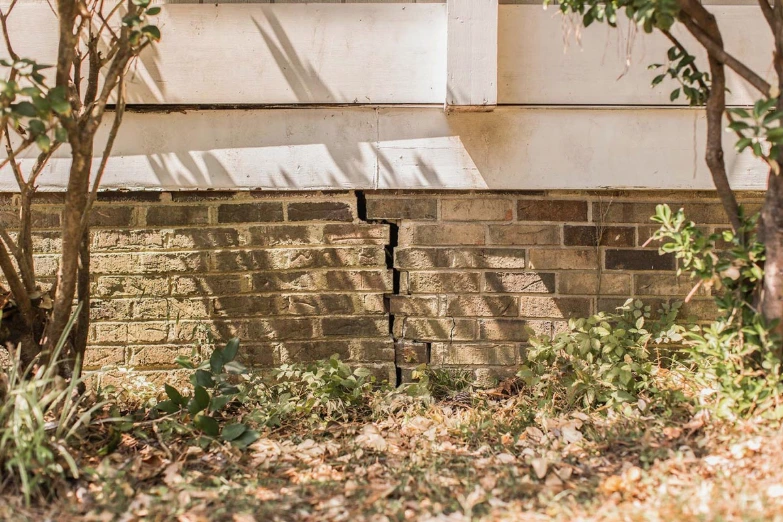
Concrete slab foundations are designed to be strong, durable, and long-lasting—but cracks are still one of the most common issues homeowners face.
At All Star Foundation Repair, we help homeowners understand not just why cracks happen, but also when they are harmless and when they may indicate serious foundation movement.
This guide explains the real causes of slab foundation cracks, warning signs to watch for, and what it means for your home’s stability.
Are Cracks in Concrete Slab Foundations Normal?
Yes—most slab foundations will develop some cracking over time.
Concrete naturally changes as it cures, dries, and reacts to environmental conditions. In fact, many experts agree that nearly every concrete slab will crack in some form during its lifespan.
However, not all cracks are the same.
Some are:
- Hairline and cosmetic (not structural)
- While others may indicate soil movement or foundation failure
The key is understanding what type of crack you’re dealing with and why it formed.
1. Concrete Shrinkage During Curing
One of the most common reasons slabs crack is natural shrinkage.
When concrete is poured, it contains water. As it dries and hardens:
- Moisture evaporates
- The slab slightly contracts
- Internal tension builds up
This tension is released in the form of thin surface cracks, often called shrinkage cracks.
These are usually:
- Very thin (hairline cracks)
- Random in pattern
- Not structurally dangerous
2. Poor Soil Preparation Under the Slab
The ground beneath your foundation plays a major role in its stability.
If the soil is:
- Not properly compacted
- Loose or uneven
- Containing organic material
Then the slab can settle unevenly after construction.
This leads to:
- Diagonal or uneven cracks
- Sunken floors in certain areas
- Long-term structural movement
Poor subgrade preparation is one of the leading causes of slab foundation failure.
3. Expansive Clay Soil Movement
In many regions, soil expands when wet and shrinks when dry.
This constant movement creates pressure under the slab, causing:
- Upward lifting (heaving)
- Downward settling
- Stress fractures in concrete
Over time, this cycle can create visible cracks and even structural shifting.
4. Moisture Problems and Poor Drainage
Water is one of the biggest threats to a slab foundation.
When drainage is poor:
- Soil becomes too soft
- Erosion creates voids under the slab
- Moisture imbalance causes movement
Common causes include:
- Clogged gutters
- Short downspouts
- Water pooling near the foundation
These conditions weaken support under the slab and lead to cracking or sinking.
5. Plumbing Leaks Under the Slab
Hidden plumbing leaks are another serious cause of slab damage.
A leak beneath the foundation can:
- Wash away supporting soil
- Create empty voids
- Soften the ground under the slab
This often results in:
- Sudden cracking
- Localized sinking
- Uneven flooring inside the home
Because the problem is hidden, it often goes unnoticed until damage becomes visible.
6. Temperature Changes and Concrete Expansion
Concrete expands in heat and contracts in cold weather.
When temperature changes are:
- Frequent
- Extreme
- Combined with restricted movement
The slab begins to develop stress cracks over time.
This is especially common in outdoor slabs and foundations exposed to seasonal climate shifts.
7. Heavy Loads or Structural Stress
Adding weight to a slab beyond its original design can also cause cracking.
Examples include:
- Home additions
- Heavy renovations
- New structural loads
If the slab and soil system were not designed for the added weight, cracks may develop as stress increases.
When Are Slab Foundation Cracks Serious?
Not every crack means structural damage, but some warning signs should never be ignored.
Warning signs include:
- Cracks wider than 1/8 inch
- Cracks that grow over time
- Uneven or raised sides of cracks
- Sloping or uneven floors
- Doors or windows sticking
- Gaps forming in walls or baseboards
These signs may indicate foundation movement or soil failure, not just surface cracking.
Can You Just Seal a Crack?
Sealing a crack may fix the appearance, but it does not fix the cause.
If the underlying issue is:
- Soil movement
- Moisture imbalance
- Plumbing leaks
Then the crack will likely return or worsen over time.
Proper diagnosis is the key to long-term stability.
How All Star Foundation Repair Helps
At All Star Foundation Repair, we don’t just repair cracks; we identify the root cause of foundation problems.
Our approach includes:
- Structural evaluation
- Soil condition assessment
- Moisture and drainage analysis
- Customized repair solutions
Whether it’s minor slab cracking or significant foundation movement, we provide long-term solutions—not temporary fixes.
Final Thoughts
Concrete slab cracks are extremely common, but they should never be ignored without understanding the cause.
Some cracks are harmless and cosmetic, while others may signal deeper structural issues beneath your home.
If you’ve noticed cracks in your slab foundation, the safest step is a professional inspection to determine whether the issue is surface-level or structural.
At All Star Foundation Repair, we help homeowners protect their biggest investment with reliable, long-term foundation solutions.