Finding a crack in your home’s concrete slab foundation can be concerning, especially when you are unsure whether it is a normal part of concrete aging or a sign of a more serious foundation problem. Some cracks develop as concrete dries and shrinks, while others may be related to soil movement, uneven settling, or pressure beneath the foundation.
The important thing is to understand the difference between cosmetic cracking and signs of structural movement. The width, direction, location, and progression of a crack can provide useful clues, but a crack should also be evaluated alongside other changes in the home.
In this guide, All Star Foundation Repair explains which slab foundation cracks are generally less concerning, which ones need attention, and what homeowners should do when they notice a cracked slab foundation.
Are Cracks in a Concrete Slab Foundation Normal?
Yes. Some cracks in a concrete slab foundation are normal and do not necessarily indicate structural damage. Concrete naturally expands, contracts, and shrinks as it cures and responds to changes in temperature and moisture.
During the curing process, water evaporates from the concrete, causing it to shrink slightly. This movement can create thin hairline cracks, commonly called shrinkage cracks. They may appear on exposed concrete floors, garage floors, and other horizontal slab surfaces.
Several factors can contribute to this type of cracking:
- Concrete shrinkage: Concrete loses moisture as it cures, which can cause small cracks to develop.
- Temperature changes: Heat and cooling cause concrete to expand and contract.
- Excess water in the concrete mix: Improper water proportions can increase shrinkage during curing.
- Curing conditions: Concrete that dries too quickly may be more likely to develop surface cracks.
- Construction practices: Poor reinforcement placement, inadequate support, or insufficient joint planning can contribute to cracking.
A thin, stable crack without noticeable height differences or other signs of foundation movement is often less concerning than a crack that continues to widen or causes one side of the slab to become uneven.
However, the appearance of a crack alone cannot confirm whether a foundation is structurally sound. Its location and surrounding conditions matter.
What Do Normal Hairline Slab Cracks Look Like?
Hairline cracks are very narrow openings that may appear across the surface of a concrete slab. They are often caused by concrete shrinkage during the curing process and may remain unchanged for years.
These cracks generally have a few recognizable characteristics:
- They are extremely narrow and have little or no visible separation.
- The concrete surface remains level on both sides.
- There is no noticeable displacement or raised edge.
- The crack does not appear to be growing over time.
- There are no additional signs of foundation movement elsewhere in the home.
For example, you might notice a thin line across a garage floor or an exposed concrete surface after removing old flooring. If the crack is stable and the surrounding concrete remains level, it may be a cosmetic issue rather than a structural concern.
Still, homeowners should monitor changes rather than automatically assuming every hairline crack is harmless.
When Are Slab Foundation Cracks a Sign of a Problem?
Some cracks deserve more attention because they may indicate foundation movement, soil-related pressure, or uneven settlement. A crack becomes more concerning when it changes over time, has visible displacement, or appears alongside other problems inside or outside the home.
Here are some warning signs to look for.
1. Cracks That Continue to Widen
A crack that becomes wider over time may indicate ongoing movement beneath or around the foundation. Changes in soil moisture, settlement, and shifting ground conditions can contribute to this movement.
A stable hairline crack is generally less concerning than one that continues to open or extend. Take photographs and note the location so you can compare its appearance over time.
If the crack is visibly growing, separating, or developing additional branches, arrange a professional foundation evaluation.
2. Cracks With Uneven or Raised Edges
One of the more important warning signs is vertical displacement, where one side of the crack sits higher or lower than the other.
This can indicate that sections of the concrete slab have moved relative to each other. Unlike a simple surface shrinkage crack, a crack with a noticeable height difference may be associated with uneven settlement or movement beneath the foundation.
Do not treat this type of damage as a cosmetic problem without understanding its cause.
3. Wide or Deep Foundation Slab Cracks
A wide crack can be more concerning than a thin hairline opening, particularly when it extends through the concrete or appears to be separating.
However, width alone does not determine whether a crack is structural. A wider crack may be old and stable, while a narrower crack may still be developing because of ongoing movement.
Pay attention to whether the crack is changing, whether the surrounding concrete is uneven, and whether other symptoms are present.
4. Cracks That Appear in Multiple Areas
Multiple cracks across a slab may indicate more than ordinary concrete shrinkage, particularly when they appear alongside uneven floors or other changes in the structure.
For example, several cracks concentrated in one section of a home could warrant further investigation into soil conditions or localized settlement.
The overall pattern matters. A foundation professional can assess whether the cracks are related to normal concrete behavior or a developing foundation issue.
What Do Different Types of Slab Foundation Cracks Mean?
The direction and location of a crack can help homeowners understand what may be happening. However, no single crack pattern provides a definite diagnosis without considering the foundation’s overall condition.
Hairline and Shrinkage Cracks
These are thin cracks that commonly develop as concrete cures and dries. They are frequently found on horizontal slab surfaces and may extend in different directions.
When they remain narrow, stable, and level, they are often cosmetic. If they widen or appear alongside other warning signs, further evaluation may be necessary.
Horizontal Cracks in the Concrete Perimeter Beam
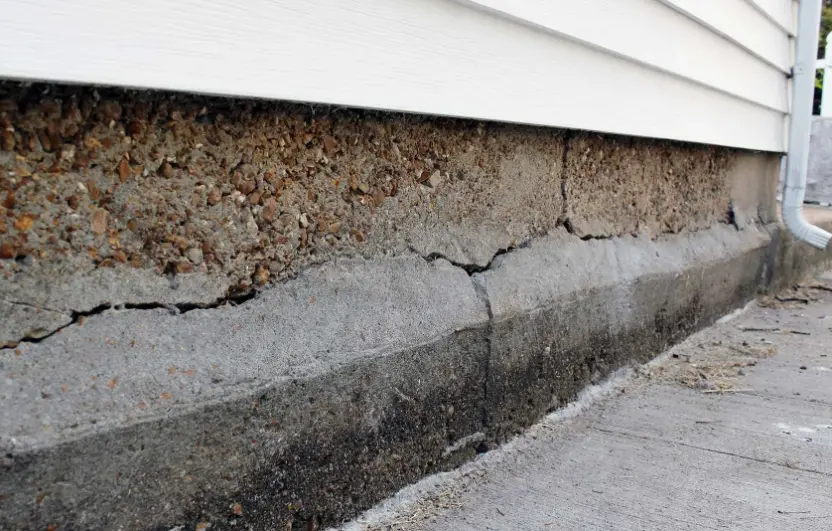
The perimeter beam is the thicker reinforced concrete section around the edge of certain slab foundations. Horizontal cracking along this area can result from construction-related conditions, concrete shrinkage, or reinforcement placement issues.
These cracks do not automatically mean the foundation is failing. However, their location makes it important to assess the surrounding concrete and look for other signs of movement.
Vertical or Diagonal Cracks in the Perimeter Beam
Vertical or diagonal cracks along a perimeter beam may be associated with uneven foundation movement or settlement.
The concern increases when the crack is widening, shows displacement, or appears with other symptoms such as wall cracks, uneven floors, and doors that no longer close properly.
A professional assessment can help determine whether the crack is cosmetic or connected to a larger foundation problem.
Corner Pop Near Brick Exterior Walls
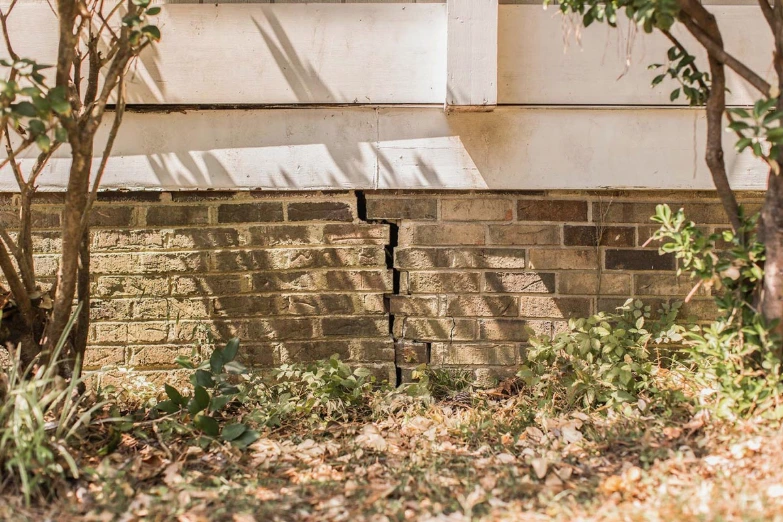
Corner pop occurs when a section of brick masonry near the corner of a home separates or breaks away from the concrete foundation edge.
Brick and concrete respond differently to temperature changes. If the materials are not properly separated or detailed during construction, their movement can contribute to corner pop.
Although it can look like a serious foundation problem, corner pop is not always evidence of foundation settlement. It may be related to masonry installation or expansion conditions.
Look for additional signs of movement before assuming the foundation itself is damaged.
What Other Signs of Foundation Problems Should You Look For?
A crack in a foundation slab is only one piece of information. In many cases, changes to the walls, floors, doors, windows, and other parts of the home provide more useful clues about possible foundation movement.
If you notice cracks in your concrete slab, check the rest of the property for the following warning signs.
Diagonal Cracks in Drywall
Diagonal cracks around doors, windows, and wall corners may develop when parts of a home experience uneven movement. These cracks can be associated with foundation settlement, although other causes are possible.
Pay attention to cracks that continue to grow, extend from window or door corners, or appear alongside other structural changes.
Doors and Windows That Stick
When a foundation moves unevenly, the framing around doors and windows may become misaligned. You might notice doors that suddenly stick, windows that are difficult to open, or gaps around frames that were not previously present.
These problems can also result from humidity or normal building movement, so they should be considered alongside other symptoms.
Uneven or Sloping Floors
Floors that feel uneven, slope noticeably, or develop new dips may indicate movement beneath the home.
If the flooring changes are accompanied by a crack in the foundation slab, it is worth having the condition evaluated.
Gaps Around Exterior Brick or Trim
Separation between exterior brick, window frames, trim, and other building materials can sometimes indicate differential movement.
Look for new gaps, visible separation, or cracks that continue to develop around the exterior of the home.
Plumbing or Drainage Problems
Foundation movement can sometimes affect plumbing lines beneath a concrete slab. Changes in water pressure, unexplained moisture, or recurring plumbing leaks may deserve investigation.
However, plumbing problems have many possible causes and should not automatically be attributed to foundation damage.
Why Do Cracks Develop in a Slab Foundation?
Understanding why a crack developed is important because the right response depends on its underlying cause.
Soil Expansion and Contraction
Soil beneath a foundation can change volume as its moisture content changes. Expansive clay soil is particularly sensitive to moisture fluctuations. It can swell when wet and shrink during dry conditions.
These changes may create uneven support beneath a slab, contributing to movement and cracking.
Foundation Settlement
Settlement occurs when the soil beneath a foundation compresses or shifts, causing part of the structure to move downward.
Some minor settlement can occur in buildings, but uneven or ongoing settlement may place stress on the concrete and other structural components.
Poor Drainage Around the Home
Water that collects near the foundation can change the moisture conditions in the surrounding soil. Improper grading, clogged gutters, and downspouts that discharge too close to the house can contribute to drainage concerns.
Managing water around the property can help reduce unnecessary moisture changes near the foundation.
Construction and Concrete Curing Issues
Concrete mix proportions, reinforcement, placement, and curing conditions can influence how a slab performs. Poor construction practices or inadequate preparation may increase the likelihood of cracking.
Not every construction-related crack indicates structural failure, but significant or changing cracks should be assessed.
What Should You Do If You Find a Crack in Your Foundation Slab?
Finding a crack does not mean you immediately need major foundation repairs. The first step is to document what you see and determine whether there are other signs of movement.
Follow these steps:
- Photograph the crack: Take clear pictures from different angles and include an object for scale.
- Record its location: Note whether the crack is near an exterior wall, in the middle of the slab, or around a perimeter beam.
- Check for uneven surfaces: Look for raised or lowered edges and other visible displacement.
- Monitor changes: Compare photographs over time to see whether the crack is widening or extending.
- Inspect the rest of the home: Check walls, doors, windows, floors, and exterior masonry for additional warning signs.
- Review drainage conditions: Look for standing water, poor grading, leaking pipes, or downspouts discharging near the foundation.
- Arrange a professional evaluation: If the crack is growing, displaced, or accompanied by other symptoms, have the foundation assessed.
If a crack is accompanied by significant movement, sudden changes, or signs of structural instability, do not delay seeking professional advice.
Should You Seal or Repair a Cracked Slab Foundation?
The appropriate response depends on the type of crack and why it developed.
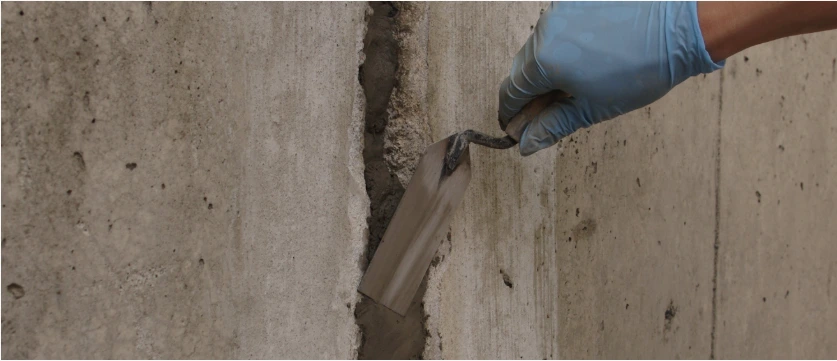
A stable, superficial crack may not need structural repair. In some situations, homeowners may choose a suitable sealant to address surface appearance or reduce moisture entry. However, sealing a crack does not correct foundation settlement or movement.
If a crack is associated with structural movement, simply filling the opening may hide the visible damage without addressing the underlying problem.
Depending on the inspection findings, a foundation repair professional may recommend a solution such as:
- Crack sealing or injection: Used for suitable cracks when the objective is to seal an opening or restore a bond.
- Foundation stabilization: May be needed when movement or settlement affects the foundation.
- Pier installation: May be recommended when sections of a foundation require additional support due to settlement.
- Drainage improvements: May help address water conditions contributing to soil movement around the home.
Not every cracked slab requires these repairs. The solution should match the actual condition of the foundation rather than treating every crack in the same way.
Can You Prevent Cracks in a Concrete Slab Foundation?
It is not always possible to prevent concrete from cracking. Even properly installed concrete can develop shrinkage cracks as it cures and responds to environmental conditions.
However, homeowners can take practical steps to help manage conditions around the foundation and reduce some avoidable risks.
- Maintain proper drainage: Make sure water flows away from the home’s foundation.
- Keep gutters clear: Prevent overflowing gutters from concentrating water near the exterior walls.
- Direct downspouts away from the house: Avoid allowing roof runoff to collect beside the foundation.
- Address plumbing leaks: Repair leaking water lines that could affect soil conditions beneath the slab.
- Monitor soil moisture: Avoid sudden and extreme changes in moisture conditions around the foundation.
- Inspect the property regularly: Look for new cracks, changing gaps, and other signs of movement.
These measures can help manage moisture and drainage conditions, but they cannot guarantee that foundation settlement or concrete cracking will never occur.
When Should You Contact a Foundation Repair Professional?
Not every crack requires immediate repair, but certain conditions should prompt a closer evaluation. Contact a foundation professional if you notice:
- A crack that continues to widen or extend.
- A visible height difference between the two sides of a crack.
- Multiple cracks appearing in different areas of the slab.
- Horizontal or diagonal cracking accompanied by wall movement.
- Noticeably sloping or uneven floors.
- Doors and windows that suddenly become difficult to operate.
- Gaps forming around exterior brick, trim, or window frames.
- Water entering through foundation cracks.
A professional evaluation can help determine whether the damage is cosmetic, related to moisture, or connected to foundation settlement. It can also help prevent unnecessary repairs by identifying the actual cause before a solution is recommended.
Get Professional Help for a Cracked Slab Foundation
A crack in a concrete slab foundation does not always mean your home has a serious structural problem. Thin, stable shrinkage cracks can be a normal part of concrete behavior. However, cracks that widen, show uneven edges, or appear with other signs of foundation movement deserve attention.
The most important step is to understand why the crack developed before deciding how to address it. Filling the visible opening without identifying the underlying cause may not resolve the problem.
All Star Foundation Repair helps homeowners understand foundation concerns and explore appropriate repair options based on the condition of their property. If you have noticed a cracked slab foundation, growing cracks, uneven floors, or other signs of possible settlement, contact the team to discuss a professional foundation evaluation.