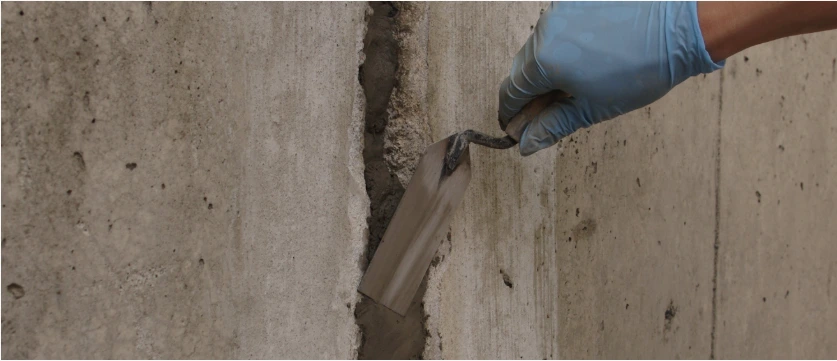
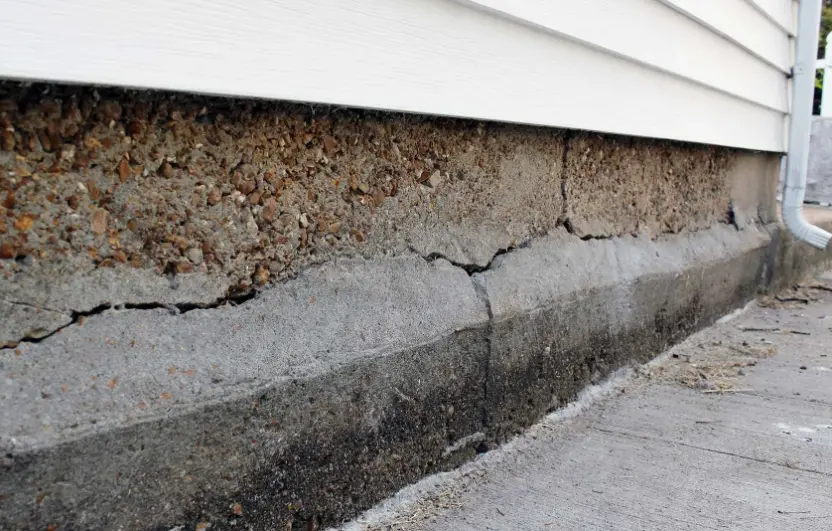
A crack in your home’s foundation can raise an important question: how much will it cost to repair? The answer depends on the crack’s size, location, cause, and whether it affects the structural stability of the foundation. Some cracks may only require professional sealing to prevent water from entering, while others can indicate foundation movement that needs a more extensive repair.
Understanding foundation crack repair costs can help homeowners plan their budgets and recognize when a problem needs professional attention. All Star Foundation Repair helps homeowners understand foundation problems and explore suitable repair solutions based on the condition of their property.
How Much Does Foundation Crack Repair Cost?
Foundation crack repair commonly costs around $250 to $800 per crack for non-structural repairs, such as professional epoxy or polyurethane injection. However, this is a general national planning range, not a guaranteed price. Repairs involving foundation movement, bowing walls, or settlement can cost considerably more because they may require structural reinforcement or stabilization.
The total cost depends on several details, including:
- Crack size and depth: Wider or deeper cracks may require more materials and labor.
- Type of foundation: Poured concrete, concrete block, and slab foundations may require different repair approaches.
- Cause of the crack: Normal concrete shrinkage, soil movement, and water pressure can require different solutions.
- Water intrusion: Leaking cracks may need additional sealing or moisture-control work.
- Structural damage: Cracks associated with foundation movement may require reinforcement rather than simple filling.
- Accessibility: Finished walls, landscaping, and limited working space can increase labor requirements.
A professional inspection helps determine whether the problem requires crack sealing, structural reinforcement, or a broader foundation repair.
Foundation Crack Repair Cost by Crack Type
Not every foundation crack presents the same problem. Its direction, width, location, and signs of movement help determine the appropriate repair method and estimated cost.
Hairline Foundation Crack Repair Cost
Hairline cracks are very narrow openings that can develop as concrete cures and shrinks. Some remain stable and do not affect the foundation’s structural performance. However, they can still allow moisture to enter, particularly when they extend through a foundation wall.
A small, stable crack may need only monitoring or sealing. If water is entering, a professional may recommend an appropriate injection or sealing method.
The cost is generally lower than structural repairs, but the correct solution depends on whether the crack is stable and whether moisture is present.
Vertical Foundation Crack Repair Cost
Vertical cracks generally run up and down along a foundation wall. They can develop from concrete shrinkage or foundation settlement. A narrow, stable vertical crack may be suitable for professional injection.
However, a vertical crack should not automatically be considered harmless. If it becomes wider, shows displacement, or appears alongside uneven floors and sticking doors, the foundation may need further evaluation.
The repair estimate depends on the crack’s depth, width, water leakage, and underlying cause.
Horizontal Foundation Crack Repair Cost
Horizontal cracks run across a foundation wall and can be associated with pressure from surrounding soil. In some situations, this pressure can cause the wall to bow inward or move.
These cracks deserve particular attention because simply filling the opening may not address the force affecting the wall. Depending on the inspection findings, repairs may involve carbon fiber reinforcement, wall anchors, or other structural stabilization methods.
The cost can be significantly higher than sealing a small, non-structural crack because the work may involve reinforcing an entire section of the foundation wall.
Stair-Step Foundation Crack Repair Cost
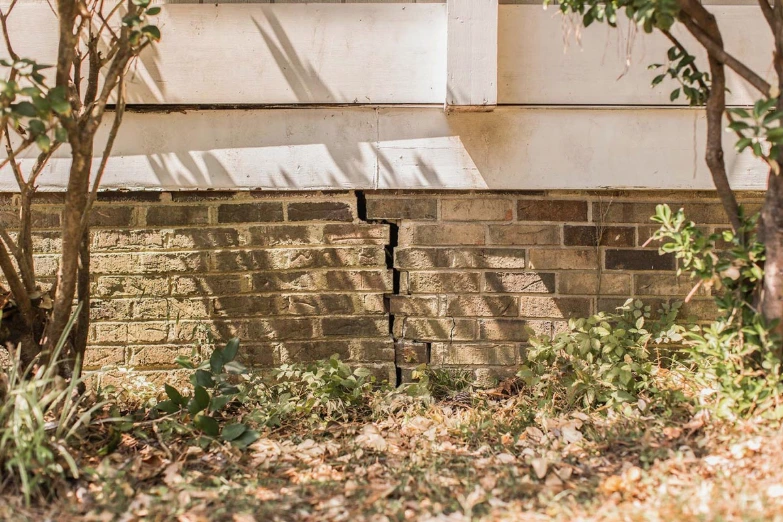
Stair-step cracks often follow the mortar joints in brick or concrete block foundations. They may develop when different sections of the foundation settle unevenly or when soil conditions create pressure against the structure.
The repair cost depends on whether the crack is limited to the mortar joints or indicates movement in the foundation itself. Minor masonry repairs may be less involved, while cracks accompanied by displacement or continued movement may require structural evaluation and stabilization.
Foundation Crack Repair Cost by Method
The repair method is one of the biggest factors affecting the final estimate. A contractor should select a solution based on the crack’s condition and the reason it developed.
Epoxy Crack Injection
Epoxy injection is commonly used for suitable cracks in concrete where a structural bond is needed. The material is injected into the crack and hardens to bond the concrete surfaces together.
This method may be appropriate for stable cracks when the goal is to restore continuity across the damaged section. It is not a solution for every crack, especially when active foundation movement remains unresolved.
Polyurethane Crack Injection
Polyurethane injection is often used when the main concern is water entering through a foundation crack. The material expands within the opening and creates a flexible seal that helps block water intrusion.
It can be useful for certain leaking cracks, but it does not correct foundation settlement or stop a wall from moving. The underlying cause must still be evaluated.
Carbon Fiber Reinforcement
Carbon fiber reinforcement may be recommended when a foundation wall shows signs of bowing or movement. Reinforcement strips are attached to the wall to help resist further inward movement.
The number of strips, wall condition, and extent of the damage affect the overall cost. This approach is not simply a crack-filling method; it addresses a structural concern that requires proper evaluation.
Wall Anchors and Other Stabilization Methods
More serious foundation wall movement may require wall anchors, braces, or other stabilization systems. These methods are intended to help resist soil pressure and stabilize the affected wall.
Installation requirements vary depending on soil conditions, exterior access, wall construction, and the degree of movement. Because these projects involve more materials and labor, they can cost much more than a basic crack repair.
What Factors Affect the Cost of Foundation Crack Repair?
Several conditions can change the amount homeowners pay for foundation crack repair.
Severity and Size of the Crack
A small, stable crack may require less work than a wide crack with visible displacement. Deeper openings, multiple cracks, and damage extending across a larger section of the foundation can increase material and labor requirements.
Foundation Type and Construction
Slab and pier-and-beam foundations have different structures and repair requirements. The location of the crack and the components affected determine which repair approach is appropriate.
For example, a crack in a concrete slab may require a different assessment from a crack in a vertical foundation wall.
Soil Conditions Around the Home
Soil movement can contribute to foundation problems. Expansive clay soil may swell when it absorbs moisture and shrink as it dries. Changes in soil volume can place uneven pressure beneath or around a home’s foundation.
Poor drainage, erosion, and plumbing leaks can also affect the soil. If these conditions contribute to the damage, correcting the underlying issue may be part of the repair plan.
Water Leakage and Drainage Problems
Water entering through a foundation crack can affect interior spaces and contribute to moisture problems. If water pressure or poor drainage is involved, sealing the visible opening may not be enough.
The repair estimate may include additional work to address the source of moisture and reduce the chance of recurring water intrusion.
Accessibility and Labor Requirements
The location of a crack can affect how easily a contractor reaches it. Finished basement walls, flooring, landscaping, and restricted work areas may require additional preparation.
The number of cracks and the repair method also influence the time and labor needed to complete the project.
When Does a Foundation Crack Require Structural Repair?
Some cracks are related to normal concrete shrinkage, while others may indicate settlement or pressure against the foundation. Recognizing warning signs can help homeowners determine when to arrange a professional evaluation.
Pay attention to these conditions:
- Horizontal cracks across foundation walls.
- Stair-step cracks that continue through masonry joints.
- Cracks that become wider or longer over time.
- Foundation walls that appear to bow or lean.
- One side of a crack that appears displaced from the other.
- Uneven or sloping floors.
- Doors and windows that suddenly become difficult to open or close.
- Water entering through foundation walls or slabs.
These signs do not establish the exact cause of the damage, but they should not be ignored. A qualified foundation professional can examine the affected area and determine whether the crack needs sealing, monitoring, or structural stabilization.
Is It Better to Repair Foundation Cracks Early?
Addressing a foundation crack early can help prevent moisture intrusion and make it easier to identify changes before they become more extensive. A small crack may remain stable, but one caused by ongoing settlement or soil pressure can continue to develop.
Waiting until a crack becomes wider or additional symptoms appear may lead to more involved repair work. Water entering through an opening can also affect nearby materials and create moisture-related problems inside the home.
Early evaluation does not mean every crack requires an expensive repair. It helps homeowners understand what is happening and avoid paying for a solution that does not address the actual problem.
How to Get an Accurate Foundation Crack Repair Estimate
Online cost ranges can help with initial budgeting, but they cannot determine the exact repair price for an individual home. A reliable estimate should account for the condition of the foundation and the cause of the cracking.
Before approving a repair, homeowners should:
- Identify the affected area: Note whether the crack is in a foundation wall, slab, or masonry section.
- Document the crack: Take clear photographs and record its approximate width and location.
- Watch for changes: Note whether the crack becomes longer, wider, or shows visible displacement.
- Check for related symptoms: Look for water intrusion, uneven floors, and sticking doors or windows.
- Request a professional evaluation: Have the foundation examined to identify the cause and determine the appropriate repair.
- Review the written estimate: Confirm which areas will be repaired, what method will be used, and whether additional work is included.
A detailed estimate should explain the recommended solution rather than provide only a price for filling the visible crack.
Foundation Crack Repair in Texas: Why Local Conditions Matter
Foundation conditions can vary from one property to another. Soil composition, drainage, weather changes, foundation construction, and the history of the home can all influence how cracks develop.
In Texas, changes in soil moisture can contribute to movement beneath foundations, particularly where expansive clay soils are present. Periods of heavy rainfall and dry weather can also affect soil conditions around a property.
For homeowners in and around Carrollton, TX, understanding local ground conditions is an important part of evaluating foundation damage. A repair plan should consider the condition of the foundation and the factors contributing to the crack, not just its visible appearance.
All Star Foundation Repair provides foundation repair services, including slab foundation and pier-and-beam solutions. Homeowners can discuss their foundation concerns with the team and determine what type of evaluation may be appropriate for their property.
Frequently Asked Questions About Foundation Crack Repair Cost
How much does it cost to fix one foundation crack?
A non-structural foundation crack repair may cost approximately $250 to $800 per crack as a general national planning range. The actual price depends on the crack’s size, location, accessibility, and repair method. Structural damage can require a much larger investment.
Are small foundation cracks expensive to repair?
Small, stable cracks are generally less expensive to address than cracks associated with foundation movement. Some may only need monitoring, while others require sealing to prevent moisture from entering. An inspection helps determine whether repair is necessary.
Is epoxy or polyurethane better for foundation cracks?
Epoxy is generally used when a structural bond is needed across a suitable stable crack. Polyurethane is commonly used to seal cracks where water intrusion is the main concern. The right material depends on the crack’s condition and the repair objective.
Are horizontal foundation cracks serious?
Horizontal cracks can indicate pressure against a foundation wall and may be associated with bowing or movement. They should be professionally evaluated, particularly if the wall appears displaced or is changing over time.
Does homeowners insurance cover foundation crack repair?
Coverage depends on the policy and the cause of the damage. Many standard homeowners policies exclude gradual settling, wear, and certain soil-related movement, while some sudden events may be treated differently. Review your policy and contact your insurance provider to understand the coverage that applies to your property.
Can foundation cracks come back after repair?
Yes. A crack can reopen if the underlying cause, such as ongoing settlement or soil pressure, has not been addressed. Choosing an appropriate repair method and evaluating the conditions contributing to the damage can help reduce the risk of recurring problems.
Should I repair a foundation crack before selling my home?
It is often helpful to have visible foundation cracks evaluated before listing a property. A professional assessment can clarify whether the crack is cosmetic, related to moisture, or associated with structural movement. Having a clear understanding of the condition can also help homeowners respond to questions from potential buyers.
Get Help Evaluating Foundation Cracks
A foundation crack does not always mean your home needs major structural repairs, but it should be evaluated when it is growing, leaking, or accompanied by other signs of foundation movement. Understanding the cause is the first step toward choosing the right repair and estimating the cost.
All Star Foundation Repair helps homeowners address foundation concerns with repair solutions based on the property’s foundation type and condition. If you have noticed cracks, uneven floors, or other signs of foundation trouble, contact the team to discuss your concerns and arrange an evaluation.