Build on a Strong Foundation with Confidence
A concrete slab foundation is one of the most reliable and cost-effective foundation systems for residential and commercial buildings. It provides a solid base that supports the entire structure while requiring less maintenance than many other foundation types. Because of its durability and faster installation, it’s commonly used for homes, garages, warehouses, and commercial properties across the United States.
Whether you’re planning a new construction project or researching foundation options, understanding how a concrete slab foundation is built and what affects its cost can help you make informed decisions. From preparing the site to pouring concrete and allowing it to cure, every step contributes to the strength and longevity of the finished foundation.
In this guide, you’ll learn how a concrete slab foundation is constructed, the factors that influence installation costs, common problems to watch for, and when professional foundation repair may be necessary.
What Is a Concrete Slab Foundation?
A concrete slab foundation is a thick layer of reinforced concrete poured directly onto prepared ground. Before the concrete is placed, contractors compact the soil, install a gravel base for drainage, add a moisture barrier, and reinforce the slab with steel rebar or post-tension cables.
Unlike crawl space or basement foundations, a slab foundation rests directly on the ground. This design reduces construction time, lowers maintenance costs, and creates a stable platform capable of supporting a building for decades.
Because slab foundations have fewer exposed areas beneath the home, they also reduce the risk of moisture problems, pest infestations, and heat loss, making them a practical choice for many climates.
Benefits of a Concrete Slab Foundation
Concrete slab foundations remain one of the most popular choices because they offer several long-term advantages.
Strong and Durable
A properly installed slab foundation evenly distributes the building’s weight across the ground, reducing structural stress and improving long-term stability.
Faster Construction
Since slab foundations don’t require basements or crawl spaces, installation is typically faster, allowing construction to move forward more quickly.
Cost-Effective
With less excavation and fewer construction materials, slab foundations are generally more affordable than many alternative foundation systems.
Low Maintenance
When built correctly and protected with proper drainage, concrete slab foundations require very little maintenance throughout their lifespan.
Energy Efficient
Without open air beneath the structure, slab foundations help maintain indoor temperatures more efficiently while reducing energy loss.
Step-by-Step: How a Concrete Slab Foundation Is Built
Building a strong foundation requires careful planning and precise construction. Every stage contributes to the overall performance and durability of the finished slab.
Step 1: Site Preparation
The process begins by clearing trees, vegetation, rocks, and debris from the construction area. Contractors then level and grade the site to ensure proper drainage away from the future building. Good site preparation helps prevent water-related foundation problems later.
Step 2: Soil Compaction
Loose soil can settle over time, causing the foundation to shift or crack. To create a stable base, heavy equipment compacts the soil until it reaches the required density. In some cases, engineers also perform soil testing to determine whether additional stabilization is needed.
Step 3: Installing the Gravel Base
A layer of crushed stone or gravel is spread over the compacted soil. This base improves drainage, minimizes moisture buildup beneath the slab, and provides additional support for the concrete.
Step 4: Installing Forms
Wood or metal forms are placed around the perimeter to define the exact size and shape of the foundation. Contractors carefully measure and level these forms before moving to the next stage.
Step 5: Plumbing and Utility Installation
Before the concrete is poured, underground plumbing lines, drain pipes, and utility conduits are installed. Since these systems become enclosed within the slab, careful planning and inspection are essential to avoid costly repairs later.
Step 6: Vapor Barrier and Reinforcement
A heavy-duty vapor barrier is installed over the gravel base to help prevent moisture from entering the concrete.
Next, contractors install reinforcement materials such as steel rebar, welded wire mesh, or post-tension cables. These materials strengthen the slab, improve load-bearing capacity, and reduce the risk of cracking caused by soil movement.
Step 7: Pouring and Finishing the Concrete
Once inspections are complete, ready-mix concrete is poured into the prepared forms. Construction crews spread, level, and smooth the concrete using specialized finishing tools to create a flat, durable surface.
After finishing, control joints may be added to help minimize random cracking as the concrete cures.
Step 8: Curing and Final Inspection
Concrete continues gaining strength for several days after it is poured. Proper curing helps maximize durability and reduces the chance of future cracks.
Before construction continues, the completed slab undergoes a final inspection to ensure it meets engineering requirements and local building codes.
How Much Does a Concrete Slab Foundation Cost?
One of the first questions homeowners ask before starting construction is, “How much does a concrete slab foundation cost?” The answer depends on several factors, including the size of the building, site conditions, foundation design, labor rates, and local building requirements.
A standard residential slab foundation generally costs less than a reinforced or post-tension slab designed for larger structures or properties with unstable soil. Additional work such as grading, excavation, drainage improvements, or thicker concrete can also increase the total investment.
Instead of focusing on a single price, it’s more helpful to understand what affects the final cost. A professional site inspection and detailed estimate will provide the most accurate pricing for your specific project.
Factors That Affect Concrete Slab Foundation Cost
Every construction project is unique, and several factors influence the overall installation cost.
Foundation Size
The total square footage is one of the biggest pricing factors. Larger foundations require more concrete, reinforcement materials, labor, and finishing work, increasing the overall cost.
Site Preparation
Preparing the construction site often includes clearing vegetation, grading uneven ground, removing debris, and excavating where necessary. Properties that require more preparation generally cost more to build on.
Soil Conditions
Stable soil provides better support for a concrete slab. If the property has expansive clay, loose fill, or poorly compacted soil, additional engineering or soil stabilization may be required before construction begins.
Foundation Design
Different slab designs require different construction methods. Reinforced slabs, post-tension systems, or thicker foundations designed for heavy loads typically cost more than standard residential slabs.
Reinforcement Materials
Steel rebar, welded wire mesh, and post-tension cables improve structural strength and help reduce cracking. The type and amount of reinforcement depend on the building design and local engineering requirements.
Labor and Local Building Codes
Labor rates vary by region, while permit fees and required inspections can also affect the final project cost. Hiring experienced contractors often results in higher-quality workmanship and fewer long-term repair expenses.
Common Concrete Slab Foundation Problems
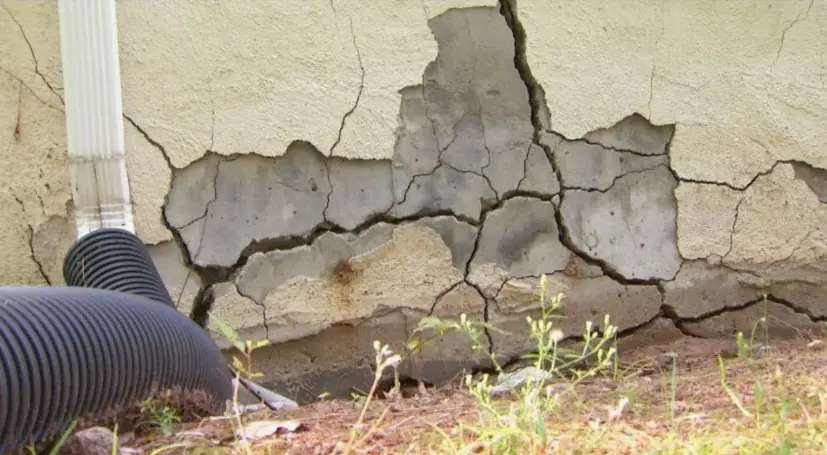
Although concrete slab foundations are built to last, they can still develop problems over time. Most issues result from soil movement, moisture changes, drainage problems, or plumbing leaks beneath the slab.
Foundation Settlement
As soil shifts or compresses, parts of the slab may settle unevenly. This can cause structural movement and place stress on the entire building.
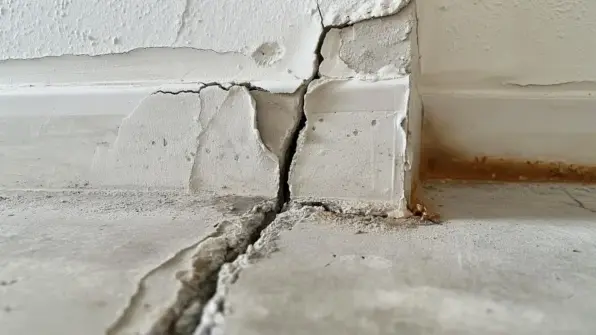
Concrete Cracks
Hairline cracks are often part of the natural curing process, but wider or expanding cracks may indicate settlement or excessive soil movement that requires professional evaluation.
Poor Drainage
Water collecting around the foundation weakens the supporting soil over time. Without proper drainage, excess moisture can lead to foundation movement and structural damage.
Plumbing Leaks
Water lines beneath the slab can occasionally develop leaks. Over time, escaping water may wash away supporting soil and create empty spaces beneath the foundation.
Signs Your Foundation May Need Repair
Foundation damage usually develops gradually. Identifying problems early can help prevent more expensive repairs later.
Watch for these warning signs:
- Cracks in interior walls or ceilings
- Stair-step cracks in brick or masonry
- Uneven or sloping floors
- Doors or windows that stick
- Gaps around door and window frames
- Cracks in the concrete floor
- Standing water around the foundation after rain
If you notice one or more of these issues, scheduling a professional foundation inspection is the best way to determine whether repairs are needed.
Can a Concrete Slab Foundation Be Repaired?
Yes. Many slab foundation problems can be repaired without replacing the entire foundation.
Depending on the cause of the damage, repair solutions may include:
- Installing steel or concrete piers to stabilize settled areas
- Slab underpinning for additional structural support
- Polyurethane foam injection to fill voids beneath the slab
- Professional crack repair to seal damaged concrete
- Drainage improvements to prevent future movement
The right repair method depends on the condition of the foundation, soil stability, and the extent of the structural movement.
Why Choose All Star Foundation Repair?
A concrete slab foundation is one of the most important parts of any building, and even small foundation issues can become major structural problems if left untreated. That’s why it’s important to work with experienced professionals who understand how to identify the root cause of foundation movement rather than simply repairing the visible damage.
At All Star Foundation Repair, we provide thorough foundation inspections, honest recommendations, and customized repair solutions for both residential and commercial properties. Whether you’re dealing with foundation settlement, slab cracks, uneven floors, or moisture-related issues, our experienced team uses proven repair methods and quality materials to restore your foundation’s strength and stability.
Our goal is to provide long-lasting solutions that help protect your property and give you confidence that your foundation is built to last.
Frequently Asked Questions
How long does a concrete slab foundation last?
A properly constructed and maintained concrete slab foundation can last 50 to 100 years or more. Its lifespan depends on factors such as soil conditions, drainage, construction quality, and routine maintenance.
What causes a concrete slab foundation to crack?
Small hairline cracks are common as concrete cures. However, larger cracks may result from soil settlement, poor drainage, expansive clay, plumbing leaks, or inadequate reinforcement. A professional inspection can determine whether the damage is cosmetic or structural.
How long does it take to build a concrete slab foundation?
Most residential concrete slab foundations can be completed within several days to two weeks, depending on the project’s size, weather conditions, site preparation, inspections, and curing time.
Can a damaged concrete slab foundation be repaired?
Yes. Many slab foundations can be repaired using solutions such as foundation piers, slab underpinning, polyurethane foam injection, crack repair, or drainage improvements. The appropriate repair method depends on the cause and severity of the damage.
How can I protect my concrete slab foundation?
Regular maintenance can help extend the life of your foundation. Keep gutters clean, direct water away from your home, repair plumbing leaks promptly, maintain proper drainage around the property, and schedule professional inspections if you notice cracks or uneven floors.
Protect Your Property with a Strong Concrete Slab Foundation
A properly built concrete slab foundation provides the strength, stability, and support your home or commercial building needs for decades. Understanding the construction process, cost factors, and common warning signs of foundation damage allows you to make informed decisions and avoid costly structural repairs in the future.
Whether you’re planning a new construction project or dealing with an existing foundation problem, working with experienced professionals is the best way to protect your investment. Routine inspections, proper drainage, and timely repairs can significantly extend the life of your foundation and help prevent more serious structural issues.
If you’ve noticed cracks in your foundation, uneven floors, sticking doors or windows, or other signs of settlement, don’t wait for the damage to worsen. Early repairs are often faster, more affordable, and more effective than waiting until the problem becomes severe.
All Star Foundation Repair is committed to providing dependable inspections, accurate assessments, and customized foundation repair solutions for homeowners and businesses. Our experienced team is ready to help restore your property’s safety, stability, and long-term value.
Contact All Star Foundation Repair today to schedule a professional foundation inspection and learn more about the best concrete slab foundation solutions for your property.