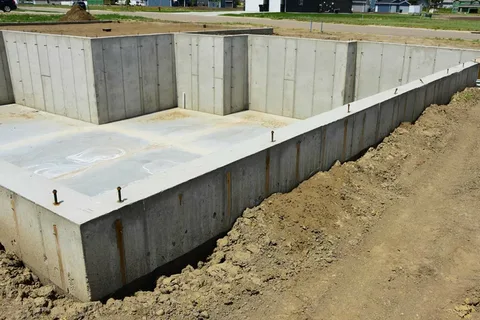
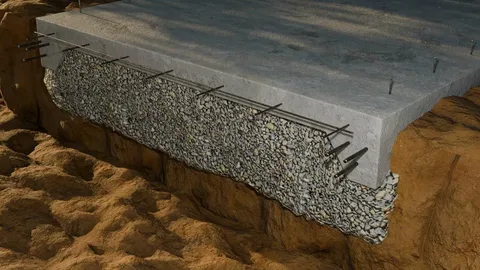
For as strong as they are, your foundations are susceptible to damage from different types of weather conditions as well as soil movement. While the colder months cause the soil to expand, which results in bowing foundations, contractions during the warmer weather can destabilize the foundations as they lose their support. Additionally, poorly compacted soil can result in settling, and eroded soil can weaken them as well. If you’re interested in learning the impact that the changing weather and shifting soil have on your property, this is the right blog for you.
From Temperature To Soil: The Effects Of The Environment On Your Foundations
Though your property’s foundations are strong and pretty unyielding, Mother Nature is just much stronger. The local climate works together with the soil your property stands in, and together they have a pretty strong say on what happens to its foundations. From cracking to sinking, here is a brief look at what your slab foundations go through.
Read along as we explain.
- Rain & Flooding
When your area enters the rainy season, the water seeps into the ground, making it swell. This means that the soil around your foundations expands, which ultimately puts pressure on your foundations. Once that happens, the foundations succumb to the pressure, bowing in place and making your walls lean in.
- Heat & Drought
On the opposite end of the spectrum, if you experience high heat to the extent that it dries out the soil around your property, your soil will compress. This means that it will move further away from your foundations, taking away its support along with it. This causes the foundations to settle and crack, weakening your structure.
- Freezing Temperatures
On the other hand, if it’s a snowy region you live in, your slab foundations behave differently. The moisture freezes and expands, causing your foundations to be pushed higher. This phenomenon is known as “frost heave.”
- Poor Soil Compaction
But before any of this can happen, it is important to compact the soil underneath thoroughly. If your property sits on a plot of land with poorly compacted soil, it will cause your foundations to settle and crack as it shifts, weakening your structure.
- Soil Erosion
If your land is poorly graded, your roof has poor drainage, or you experience extreme rain, the soil around your foundations will pull back and erode. This leaves your foundations exposed and may result in moisture damage, weakening, and foundation shifting.
- Soil Composition
The kind of soil your property resides on also has a say in the state of your foundations. For example, clay is pretty non-consistent, expanding, contracting, and weakening the foundations. However, if it’s sand or silt that your house is built on, the foundations will be much more stable.
- Nearby Vegetation
Speaking of the soil, how about the vegetation? If you have any trees with deep roots nearby, the roots will suck all the moisture from the slab foundations and cause them to settle or contract unevenly. Those same roots may also penetrate the foundations, damaging them further.
Saving Your Slab Foundations From The Environment: Maintenance Tips
As you can see, your slab foundations go through a lot thanks to the soil and weather, resulting in weakness over time. The good thing, however, is that you can take a few steps, like drainage management and landscaping, to protect your foundations from further damage, too. Some Things you should do include:
- Improve Drainage: Make sure that your gutters and downspouts are clear so that they direct water away from your foundations.
- Manage Moisture Levels: During extreme heat or drought, routinely wet the soil to keep the moisture levels stable and prevent cracks and settling.
- Smart Landscaping: Plant trees and shrubs away from your foundations so that their roots can’t absorb the moisture and crack the foundations.
- Routine Inspections: Keep an eye out for uneven floors, bowing walls, and doors and windows that stick, signaling foundation damage.
Conclusion
To conclude, the weather and soil have a complex relationship with your foundations. Drought can cause your foundations to sink and crack, while excessive rain can lead to erosion and heaving. Poorly compacted soil also weakens your foundations. To save yourself the heartache, keep an eye out for any signs of foundation damage, balance the moisture levels, and plant trees far from the base of your home. We hope this blog was insightful. If you have any more questions, please ask.
FAQs
How often should I have my foundations inspected?
You should schedule a professional foundation inspection once every 5-10 years.
How much do damaged foundations impact the value of a property?
Damaged slab foundations can lower the value of the property by at least 10-20%
What is the best soil for stable foundations?
Gravel, sand, and sandy loam are the best because they don’t shift when properly compacted.