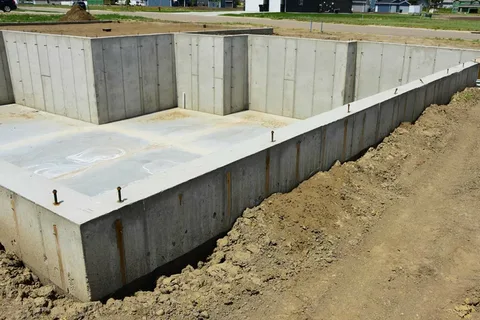
Your home’s foundation is what keeps everything stable, level, and secure. When problems develop in a slab foundation, the warning signs often appear gradually. Many homeowners overlook these early indicators, assuming they are cosmetic or related to normal aging. Unfortunately, ignoring slab foundation issues can lead to serious structural damage and expensive repairs.
Understanding the signs of slab foundation problems allows you to take action early, protect your investment, and avoid long-term damage. In this guide, we’ll walk through the most common warning signs you should never ignore, explain why they happen, and help you understand when it’s time to call a professional.
Why Slab Foundation Problems Occur
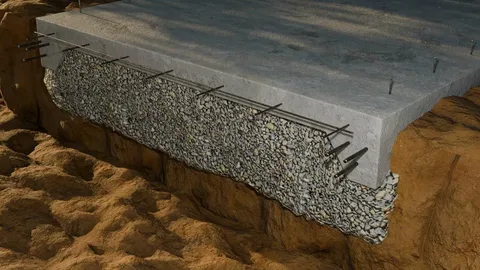
Before identifying the signs, it’s important to understand why slab foundations fail in the first place. Slab foundations sit directly on soil, making them highly dependent on soil conditions. Changes in moisture, soil movement, poor construction, plumbing leaks, and extreme weather can all contribute to foundation stress.
Expansive soil that swells when wet and shrinks when dry is one of the most common causes of slab foundation movement. Over time, this constant shifting places pressure on the concrete slab, leading to cracks, uneven surfaces, and structural instability.
Cracks in Interior Walls and Floors
Hairline Cracks vs Structural Cracks
Small hairline cracks can be normal as a house settles, especially in new construction. However, wider cracks that grow over time are often a red flag. Cracks that run diagonally across walls or appear suddenly should not be ignored.
Floor Cracks and Separation
Cracks in tile, hardwood, or concrete floors are one of the most noticeable signs of slab foundation problems. You may see tiles lifting, grout lines separating, or cracks forming across the floor. These issues often indicate uneven movement beneath the slab.
When cracks appear in both walls and floors, it strongly suggests foundation movement rather than simple cosmetic wear.
Doors and Windows That Stick or Won’t Close Properly
Changes in Alignment
If doors or windows suddenly become difficult to open or close, your slab foundation may be shifting. As the foundation moves, it alters the alignment of door and window frames, causing them to stick or jam.
Gaps Around Frames
Another warning sign is visible gaps forming around doors and windows. These gaps may allow drafts, moisture, or insects to enter the home and often worsen as foundation movement continues.
Sticking doors and misaligned windows are often early indicators of slab foundation settlement and should be addressed promptly.
Uneven or Sloping Floors
Feeling the Difference Underfoot
Uneven floors are one of the clearest signs of slab foundation issues. You may notice that furniture tilts, balls roll across the floor, or certain areas feel lower or higher when walking.
Floor Separation and Buckling
As the slab shifts, flooring materials may buckle, separate, or lift. This is especially common with tile and laminate flooring, which are less flexible and more sensitive to movement.
Sloping floors often indicate that parts of the slab are sinking or lifting unevenly, a condition that worsens without professional repair.
Cracks in Exterior Walls or Brickwork
Stair-Step Cracks in Brick
One of the most recognizable exterior signs of slab foundation problems is stair-step cracking in brick or masonry. These cracks typically follow the mortar lines and indicate uneven foundation movement.
Horizontal or Vertical Wall Cracks
Cracks running horizontally or vertically along exterior walls may signal significant structural stress. When these cracks widen or extend over time, they should be inspected immediately.
Exterior cracks are particularly concerning because they expose your home to water intrusion and structural weakening.
Plumbing Problems and Unexplained Water Issues
Slab Leaks Beneath the Foundation
Plumbing lines often run beneath slab foundations. When pipes crack or shift due to foundation movement, they can leak under the slab. These slab leaks are difficult to detect and can cause extensive damage before becoming visible.
Signs of a Slab Leak
Common indicators include unusually high water bills, the sound of running water when no fixtures are in use, damp spots on floors, or warm areas on concrete surfaces. Persistent moisture under the slab can erode soil and worsen foundation damage.
Plumbing issues combined with foundation symptoms often point to an underlying slab foundation problem.
Gaps Between Walls, Ceilings, and Floors
Visible Separation in Interior Spaces
As a slab foundation moves, walls may pull away from ceilings or floors. You may notice gaps forming at the top of walls, baseboards separating from floors, or trim pulling away.
Expanding Over Time
These gaps often start small but gradually increase if the foundation continues to shift. This type of separation is a strong indicator of structural movement rather than normal house settling.
Ignoring these signs can lead to compromised structural integrity and more extensive repairs.
Cracks in the Concrete Slab Itself
Interior and Exterior Slab Cracks
Cracks in exposed concrete, such as garage floors or patios connected to the slab, may indicate foundation stress. While some surface cracks are normal, wide or uneven cracks suggest movement below the slab.
Vertical Displacement
If one side of a crack is higher than the other, it often means the slab is lifting or sinking unevenly. This is a serious warning sign that should be evaluated by a foundation professional.
Concrete slab cracks rarely improve on their own and often worsen over time.
Moisture Problems and Mold Growth
Trapped Moisture Under the Slab
Foundation movement can create gaps that allow moisture to enter the home. Trapped moisture beneath the slab can lead to mold growth, musty odors, and indoor air quality issues.
Health and Structural Concerns
Mold not only affects your home’s structure but also poses health risks to occupants. Persistent moisture problems often indicate foundation or drainage issues that require professional attention.
Moisture-related problems are often secondary symptoms of slab foundation failure.
Exterior Soil Separation and Poor Drainage
Soil Pulling Away From the Foundation
If you notice gaps forming between the soil and the foundation around your home, it may indicate soil shrinkage or movement beneath the slab. This loss of support can cause foundation settling.
Standing Water Near the Home
Poor drainage and standing water around the foundation increase soil expansion and contraction. Over time, this repeated movement places stress on the slab and contributes to cracking and settlement.
Proper drainage is essential for preventing slab foundation problems.
Why You Should Never Ignore These Signs
Slab foundation problems rarely resolve themselves. In fact, they typically worsen with time. Small cracks can turn into major structural issues, and minor repairs can become full foundation replacements if ignored.
Early detection allows for less invasive and more affordable repair options, such as slab leveling or stabilization. Waiting too long often results in higher costs, more disruption, and potential damage to your home’s value.
When to Call a Slab Foundation Specialist
If you notice multiple warning signs occurring together, it’s time to consult a professional. A licensed slab foundation contractor can assess the condition of your foundation, identify the underlying cause, and recommend the most effective repair solution.
Professional inspections help confirm whether issues are cosmetic or structural, giving you peace of mind and a clear plan of action.
How Slab Foundation Problems Affect Home Value
Foundation issues can significantly reduce a home’s market value and make selling more difficult. Buyers are often wary of homes with unresolved foundation problems, and lenders may require repairs before approving financing.
Addressing slab foundation issues early helps preserve property value and ensures long-term structural stability.
Conclusion
Recognizing the signs of slab foundation problems is essential for protecting your home and avoiding costly repairs. Cracks in walls and floors, sticking doors, uneven surfaces, plumbing issues, and moisture problems are all warning signs that should never be ignored.
If you suspect slab foundation damage, acting quickly can save money, reduce stress, and prevent further structural issues. A professional foundation inspection is the best way to confirm the problem and ensure your home remains safe, stable, and secure for years to come.