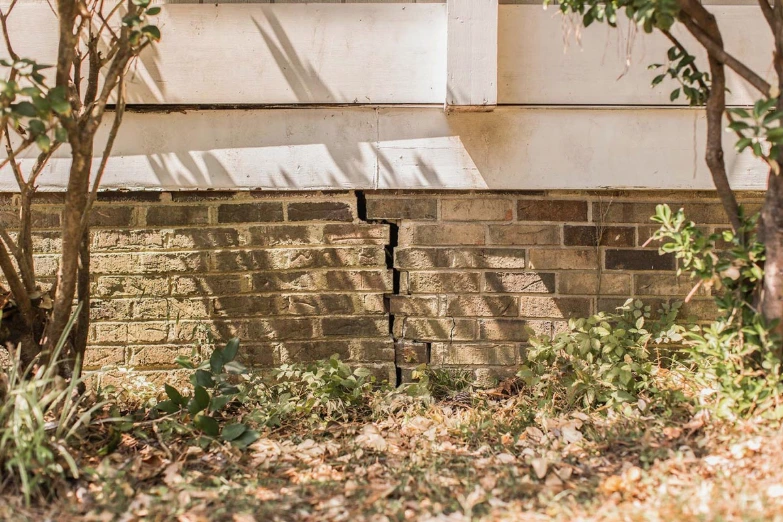
Your home is likely one of your most significant investments, and protecting its value should always be a top priority. While many homeowners focus on interior design, landscaping, or roof maintenance, one area that is often overlooked—but can have a huge impact—is your home’s foundation. Specifically, a slab foundation can face issues over time due to soil movement, water damage, or construction factors.
Understanding how slab foundation repair can protect your home’s value is essential for maintaining both its structural integrity and resale potential. In this article, we’ll explore why slab foundations are so important, common signs of damage, and how timely repairs can safeguard your investment.
What Is a Slab Foundation?
A slab foundation is a type of concrete foundation that is poured directly onto the ground. It serves as the base of your home, supporting the structure above it. Unlike homes with crawl spaces or basements, a slab foundation sits flat on the soil and is often reinforced with steel for added stability.
While slab foundations are durable and cost-effective, they are not immune to damage. Over time, factors like soil shifting, water infiltration, and tree root growth can cause cracks, uneven settling, or other foundation issues.
Why Foundation Health Affects Home Value
Your foundation is literally the base of your home. Any issues with it can affect the rest of the property in multiple ways:
1. Structural Integrity
A damaged slab foundation can cause uneven floors, cracks in walls, or doors and windows that no longer close properly. These are signs of structural issues that, if left unaddressed, can compromise the safety and stability of your home.
2. Curb Appeal and Buyer Confidence
Visible cracks or uneven flooring may raise red flags for potential buyers. Even minor foundation issues can make buyers hesitant, impacting your ability to sell quickly or at the price you want.
3. Insurance and Financing
Many lenders and insurance companies require foundation inspections before approving loans or coverage. Homes with known slab foundation problems may face higher insurance premiums or even difficulty securing financing.
In short, a well-maintained foundation supports your home’s overall value, both structurally and financially.
Common Signs You May Need Slab Foundation Repair
Recognizing the warning signs of foundation damage early can save you from costly repairs and protect your home’s value. Some common signs include:
- Cracks in walls, floors, or ceilings: Small hairline cracks are normal, but larger or spreading cracks may indicate foundation settling.
- Uneven or sloping floors: Floors that feel uneven or slanted can signal that the slab has shifted.
- Doors and windows that stick: Doors or windows that don’t close properly may be caused by a shifting foundation.
- Gaps between walls and flooring: Separation at the baseboards or gaps along walls is a common sign of slab movement.
- Water pooling near the foundation: Poor drainage can weaken soil and contribute to foundation settling.
If you notice any of these issues, it’s crucial to consult a professional for a foundation inspection.
How Slab Foundation Repair Protects Your Home’s Value
Timely and professional slab foundation repair can prevent minor issues from becoming major problems and help maintain the value of your home. Here’s how:
1. Prevents Further Damage
Addressing foundation issues early prevents them from spreading and causing structural damage to other parts of your home. Repairs can stabilize the slab, reduce cracking, and prevent doors and windows from misaligning.
2. Maintains Market Value
A home with a solid, well-maintained foundation is more appealing to buyers. By investing in slab foundation repair, you demonstrate that the property has been properly cared for, making it easier to sell and potentially increasing resale value.
3. Protects Your Investment
Homes are long-term investments, and neglecting foundation issues can lead to more expensive repairs down the road. By addressing problems promptly, you preserve your home’s structural integrity and protect your financial investment.
4. Improves Safety
A damaged foundation can compromise the safety of your home. Slab foundation repair ensures that floors are even, walls are stable, and the overall structure is secure, creating a safer living environment for your family.
Modern Slab Foundation Repair Techniques
Professional foundation repair companies use advanced techniques to stabilize and restore slab foundations. Some of the most common methods include:
- Mudjacking / Slab Jacking: Pumping a mixture under the slab to lift it and fill voids caused by soil settling.
- Polyurethane Foam Injection: Injecting expanding foam under the foundation to level it and prevent further movement.
- Piering or Piling: Installing steel or concrete piers beneath the foundation to provide long-term stability.
- Crack Repair: Sealing cracks with epoxy or polyurethane to prevent water infiltration and further deterioration.
Each method is tailored to the specific problem, ensuring the repair is effective and long-lasting.
DIY vs. Professional Slab Foundation Repair
While small cracks may seem like a minor issue, slab foundation repair is not typically a DIY project. Improper repairs can worsen the problem and reduce your home’s value.
Hiring a professional ensures:
- Accurate assessment of foundation damage
- Use of proper repair techniques
- Long-lasting, reliable results
- Documentation for future resale or insurance purposes
Investing in professional repair is an investment in your home’s safety, longevity, and market value.
Tips to Maintain Your Slab Foundation After Repairs
After completing slab foundation repair, ongoing maintenance is key to preventing future issues:
- Ensure Proper Drainage: Make sure rainwater flows away from the foundation using gutters, downspouts, and landscaping.
- Monitor for Cracks: Regularly check for new cracks or changes in existing ones.
- Avoid Heavy Loads Near the Foundation: Large trees or heavy structures can shift soil and affect stability.
- Keep Soil Moisture Consistent: Extreme dry or wet conditions can cause soil movement under the slab.
By taking these preventive steps, you can maximize the lifespan of your slab foundation and protect your home’s value over time.
Residential vs. Commercial Slab Foundation Repair
Slab foundation issues are not limited to residential homes. Commercial properties with concrete slabs can experience similar problems, such as settling, cracking, or water damage.
Professional slab foundation repair for commercial properties ensures:
- Stability for heavy equipment and foot traffic
- Compliance with building codes and safety standards
- Protection of the business’s asset value
Whether residential or commercial, addressing slab foundation problems promptly is essential for long-term stability and financial security.
Final Thoughts
Your home’s foundation is the literal base of your investment, and maintaining it is crucial for protecting your property’s value. From preventing structural damage to maintaining buyer confidence, timely slab foundation repair offers both practical and financial benefits.
If you notice signs of foundation issues, don’t wait. Consulting a professional ensures accurate assessment, safe repairs, and long-term peace of mind. By investing in your home’s foundation today, you’re not only safeguarding its structure but also its value for years to come.
A strong, well-maintained foundation is the cornerstone of a home that will continue to provide safety, comfort, and value for your family—making slab foundation repair one of the smartest investments you can make.